Hormone Balancing Foods: The Honest Guide
By:Author:Cycle Diet Editorial
Updated on:October 28, 2026

- Do Hormone Balancing Foods Actually Change Anything
- Hormone Balancing Foods Versus a Targeted Supplement Stack
- Why Everyday Meals Beat a Strict Hormone Protocol
- Adapting Hormone Balancing Foods to Your Situation
- Making This Work on an Ordinary Grocery Run
- The Myth That Food Alone Fixes Hormone Problems
- Building Hormone Balancing Foods Into a Cycle Diet Routine
- Starting This Week's Shop With One Small Swap
Hormone balancing foods are whole foods that supply the raw materials your body uses to make and regulate hormones - things like protein, fibre, healthy fats and specific minerals. No single food changes your hormone levels overnight, but a plate built the right way, repeated often, gives your body what it needs to do its own regulating.
The mechanism is simple: hormones are built from nutrients, and blood sugar swings disrupt the signals that control them. Steady meals with protein, fibre and fat blunt those swings, which is where food genuinely has a role to play.
This guide covers whether the idea actually holds up, how it compares with other approaches, who it suits, and how to fit it into a normal week without overhauling your whole kitchen.
Do Hormone Balancing Foods Actually Change Anything
The honest answer is: partly, and only as part of a bigger pattern. Hormones like insulin, cortisol and oestrogen all respond to what and when you eat, so meals that avoid sharp blood sugar spikes give your body steadier signals to work with.
Protein and fibre slow digestion, which means glucose enters your bloodstream gradually instead of in a rush. Less of a rush means less of an insulin spike, and less of an insulin spike means fewer of the knock-on effects that can leave you feeling tired or hungry an hour later.
Do the arithmetic on a normal day: three meals with a source of protein and fibre at each one adds up to roughly nine or more steady-energy touchpoints a week per meal slot, compared with the same number of meals built around refined carbohydrate alone.
That is not a transformation, it is a pattern - and patterns, repeated, are what actually move the needle over time.
Hormone Balancing Foods Versus a Targeted Supplement Stack
Plenty of people weigh up building meals around whole foods against reaching for a stack of supplements that promise the same outcome. Here is how the two compare on the things that actually matter day to day.
| Factor | Whole Food Approach | Supplement Stack |
|---|---|---|
| Cost over a month | Groceries you already buy | Extra monthly spend |
| Effort to start | Swap one ingredient at a time | Research and dosing decisions |
| Consistency needed | Built into existing meals | Separate daily habit |
| Variety of nutrients | Many nutrients per meal | Narrow, targeted nutrients |
| Risk of skipping | Low, food is already on plate | Higher, easy to forget |
Neither option is wrong, but the table makes the trade-off obvious: food fits into what you are already doing, while supplements ask you to add a new habit on top.
Why Everyday Meals Beat a Strict Hormone Protocol
A strict hormone protocol - cutting out entire food groups, timing every meal to the minute, tracking every gram - can work for a week or two before it collapses under its own weight. The problem is never the plan, it is whether anyone can keep living it.
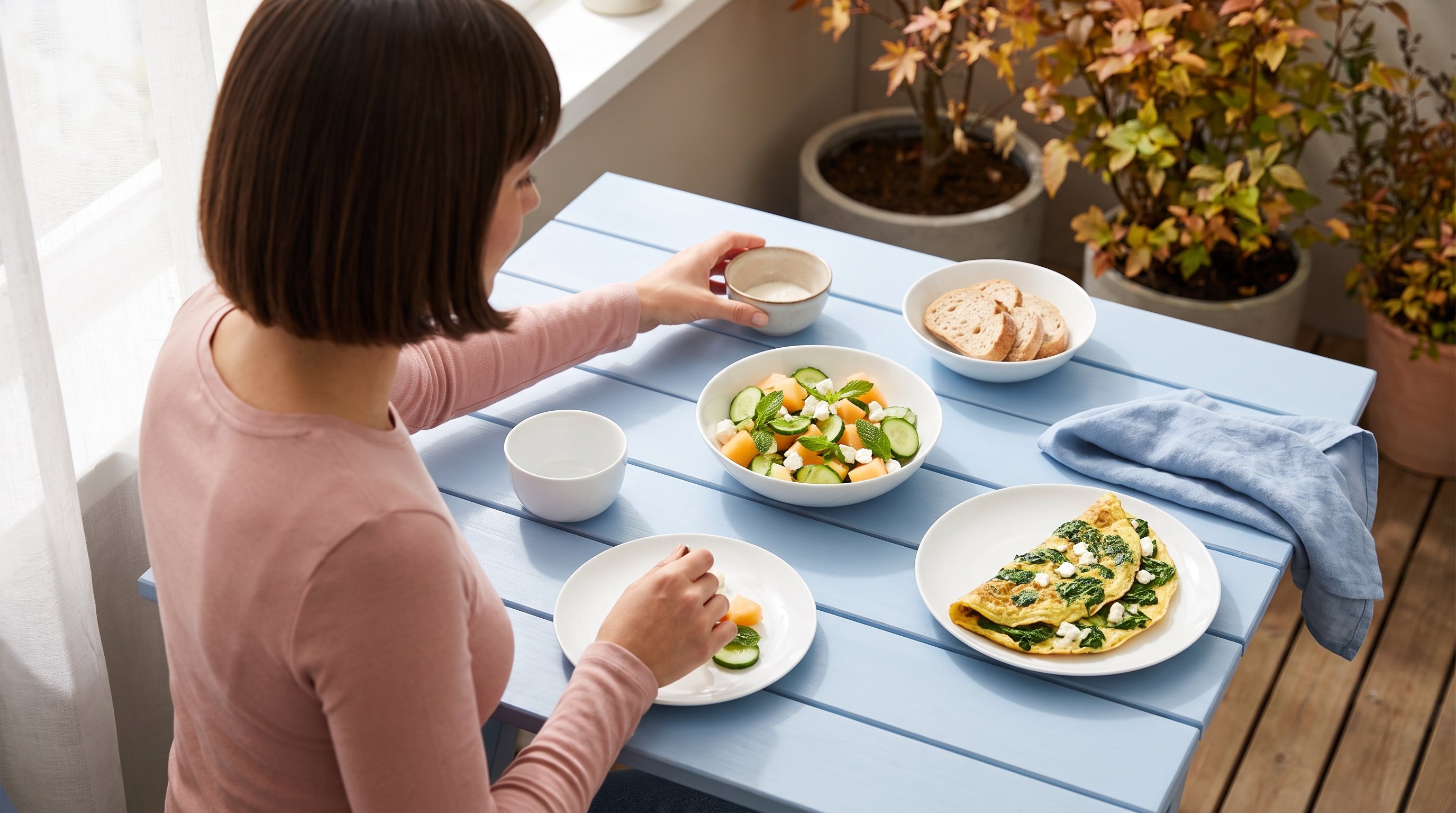
Everyday substitution wins because it asks less of you. Swapping white toast for wholegrain, adding a spoon of nut butter to breakfast, or putting beans into a dinner you already cook are small changes that do not require willpower to repeat.

Strict protocols also tend to fail at the first social event, holiday or busy week, because they leave no room for flexibility. A substitution approach survives those weeks because the bar for success is simply eating a slightly better version of what you were going to eat anyway.
Adapting Hormone Balancing Foods to Your Situation
If You're New to This
Start with one meal a day and add a protein source and a fibre source to it - oats with seeds, or a salad with lentils. One meal done consistently beats three meals overhauled for a week and abandoned.
If You're Short on Time
Lean on foods that need no prep: tinned fish, pre-washed greens, frozen vegetables and plain yoghurt. None of these take longer to grab than the processed alternative sitting next to them.

If You're Managing Perimenopause or Midlife Changes
Hormone levels shift naturally with age, and food cannot stop that shift, but steady meals with enough protein can still support how you feel day to day. Pair this with the magnesium and fibre habits covered elsewhere on the site rather than chasing one miracle ingredient.
If You're Tracking Your Cycle
Needs shift across the month, with some phases calling for more iron-rich food and others benefiting from extra fibre. Noticing the pattern over two or three cycles tells you far more than any generic food list.
Making This Work on an Ordinary Grocery Run
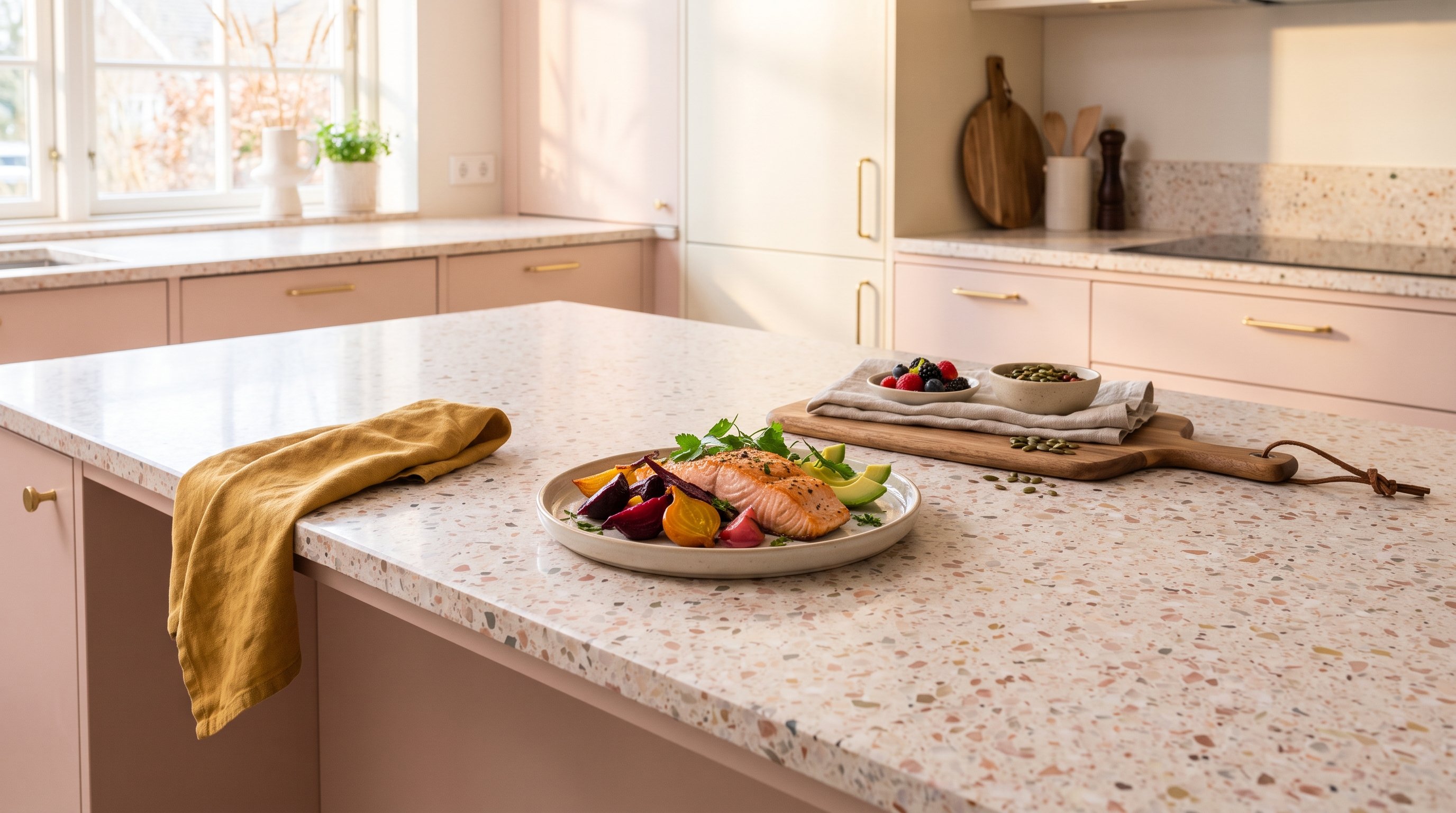
None of this requires a special shop. A normal trolley with eggs, oats, leafy greens, beans, nuts and oily fish already covers most of what hormone balancing foods are supposed to deliver.
The harder part is remembering to build meals around these foods on a Tuesday night when you are tired and the takeaway menu is one tap away. That is where a bit of structure helps more than willpower does.
Cycle Diet builds meal plans around food you already like, timed to where you are in your cycle, so the hormone-supporting choice is also the easy one - no extra decisions required at 7pm on a Tuesday.
The Myth That Food Alone Fixes Hormone Problems
Here is the myth worth retiring: that eating the right foods can fix a hormone imbalance or reverse a medical condition. Food does not work that way, and no list of ingredients can replace proper medical care when something is genuinely wrong.
What food can realistically do is support the everyday swings that come from blood sugar, stress and sleep - the background noise most people live with, not a diagnosed condition. That is a smaller promise than the headlines make it sound, but it is the honest one.
If something feels persistently off, that is a conversation for a doctor, not a grocery list.
Building Hormone Balancing Foods Into a Cycle Diet Routine
Eating this way is easiest when the plan adjusts to your cycle instead of asking you to follow the same rigid menu every day of the month.
Cycle Diet offers over 500 cycle-based recipes, so meals shift to match where you are in your cycle rather than sticking to one generic template, and the customized insights flag which nutrients to prioritise on a given day. Progress tracking keeps water, weight and steps in one place, so you can see the pattern building without needing to track every gram by hand.

Balance Hormones Naturally
Finally Feel In Sync
Starting This Week's Shop With One Small Swap
Pick one meal this week and add a protein and a fibre source to it - that is the whole starting point, nothing more complicated than that. Repeat it for a few weeks and it stops being a decision and becomes what you just do.
Cycle Diet can take the guesswork out of which foods to prioritise and when, but the first step is yours: open the fridge, pick one meal, and make it slightly better today.
FAQ
Food can support the everyday swings caused by blood sugar and stress, but it cannot fix a diagnosed hormone condition on its own. Think of it as steady support, not a cure.
No - the whole point is substitution, not restriction, so you keep eating meals you already enjoy with small swaps built in. Nothing on this list needs to be cut out entirely.
Tinned fish, frozen vegetables and plain yoghurt need no real prep and still count, so lack of time is not a real barrier. Cycle Diet's recipes are built to fit around a busy week rather than demand a free afternoon.
Most people drop off because they tried to change everything at once instead of one meal at a time. Slowing down to one swap a week makes the habit far more likely to last.
Share this post