Protein for Women Over 40: Practical Ways to Build Strength
By:Author:Cycle Diet Editorial
Updated on:October 28, 2026

- Does Eating More Protein Actually Make a Difference
- What Protein Is Actually Doing Inside Your Body
- How Many Grams of Protein Should You Actually Eat
- Why Food-First Protein Beats Relying on Shakes Alone
- Making Protein Work on an Ordinary Week
- The Myth That Protein Alone Builds Muscle Overnight
- Three Factors That Actually Shape Your Protein Results
- Mistakes That Quietly Undo a Protein Habit
- Building Protein Targets Into a Cycle Diet Routine
- Starting Tomorrow's Plate With One Protein Swap
Protein matters more after 40 because muscle naturally becomes harder to hold onto, and protein is the raw material your body uses to maintain it. Eating enough of it, spread through the day, gives your body what it needs to keep that muscle rather than slowly lose it.
The mechanism is simple: muscle tissue is in a constant state of breakdown and rebuild, and that rebuild needs amino acids from food. Without enough coming in, the body leans on existing muscle to cover the gap, which is the opposite of what most women over 40 are trying to achieve.
This guide covers what protein is actually doing in your body at this stage, how much to aim for, where it fits against other priorities like movement, and the mistakes that quietly undo a good protein habit.
Does Eating More Protein Actually Make a Difference
Yes, in a specific and limited way: protein gives your body the building blocks to maintain muscle, and muscle is metabolically active tissue that supports strength and daily function.
Here's the honest arithmetic. If a woman weighing 70kg eats 1.2g of protein per kilogram of body weight, that's 84g a day - roughly the amount in three palm-sized servings of a protein source spread across meals.
Compare that to eating protein only at dinner, where the same 84g arrives in one sitting. The body can only use so much at once to build and repair tissue, so spreading intake across the day tends to make more practical sense than loading it all into one meal.
What Protein Is Actually Doing Inside Your Body
Muscle Maintenance and Repair
Every day, your muscles break down a little and rebuild a little, and that rebuild stage needs amino acids supplied by protein in food. Without enough supply, the body has less material to work with, which over time can mean existing muscle is harder to maintain.
Appetite and Fullness Signals
Protein tends to be more filling per calorie than refined carbohydrates or fat, which is partly about digestion time and partly about how it interacts with hunger signals. A meal built around a solid protein source is simply more likely to keep you satisfied until the next one.
How Many Grams of Protein Should You Actually Eat
There's no single number that fits every woman, but using body weight as a starting point gives you something concrete to work with rather than guessing.
Starting From Your Own Weight
A simple approach is to multiply your body weight in kilograms by a target gram amount, then split that total across three or four meals so no single sitting has to carry all of it.

The table below shows how that arithmetic plays out at a few common body weights, using a target of 1.2g per kilogram as a reference point.
| Body Weight | Daily Protein Target | Roughly Per Meal |
|---|---|---|
| 60kg | 72g total | 24g over 3 meals |
| 65kg | 78g total | 26g over 3 meals |
| 70kg | 84g total | 28g over 3 meals |
| 75kg | 90g total | 23g over 4 meals |
| 80kg | 96g total | 24g over 4 meals |
Why Food-First Protein Beats Relying on Shakes Alone
A protein shake is fast and easy, but a plate built around eggs, fish, chicken, beans or yoghurt gives you the same amino acids plus fibre, micronutrients and something to actually chew.
The adherence question is what matters here: a shake might get finished once or twice, but three real meals built around protein every single day is a habit most people can sustain for longer.
Neither option is wrong, and a shake can fill a genuine gap on a busy day, but building the habit around food first means it doesn't collapse the day you forget to buy powder.
Making Protein Work on an Ordinary Week
A realistic protein habit doesn't need a separate shopping list or a kitchen scale for every meal - it just needs one protein source anchoring breakfast, lunch and dinner.
That might mean eggs in the morning, a tin of beans or leftover chicken at lunch, and fish or tofu at dinner, with yoghurt or a boiled egg as a snack if the day runs long.
This is where a meal plan built around food you already like makes a real difference, because Cycle Diet lays out cycle-based recipes with protein already worked into the structure, so you're not doing the maths yourself every evening.
The Myth That Protein Alone Builds Muscle Overnight
Protein does not build muscle on its own, and no amount of chicken breast or protein powder will reshape a specific area of the body - that's not how muscle or fat loss works.
Muscle is built through a combination of enough protein, enough total food, and some kind of resistance or strength work that gives the muscle a reason to adapt.
The honest answer is that protein is the supporting material, not the whole project - it works alongside movement and consistent eating, not as a replacement for either.
Three Factors That Actually Shape Your Protein Results
Not every protein-related decision carries equal weight - these three matter most, in order.
What Moves the Needle
- Total daily protein - hitting a consistent daily amount matters more than any single meal being perfect.
- Spreading it across meals - three or four smaller protein servings tend to be easier for the body to use than one large one.
- Pairing it with movement - some form of strength or resistance work gives the protein you eat an actual job to do.
Mistakes That Quietly Undo a Protein Habit
Loading It All Into Dinner
Eating most of your protein in one evening meal leaves breakfast and lunch doing very little for muscle maintenance. Moving even a small amount earlier in the day spreads the benefit more evenly.
Skipping Breakfast Protein Entirely
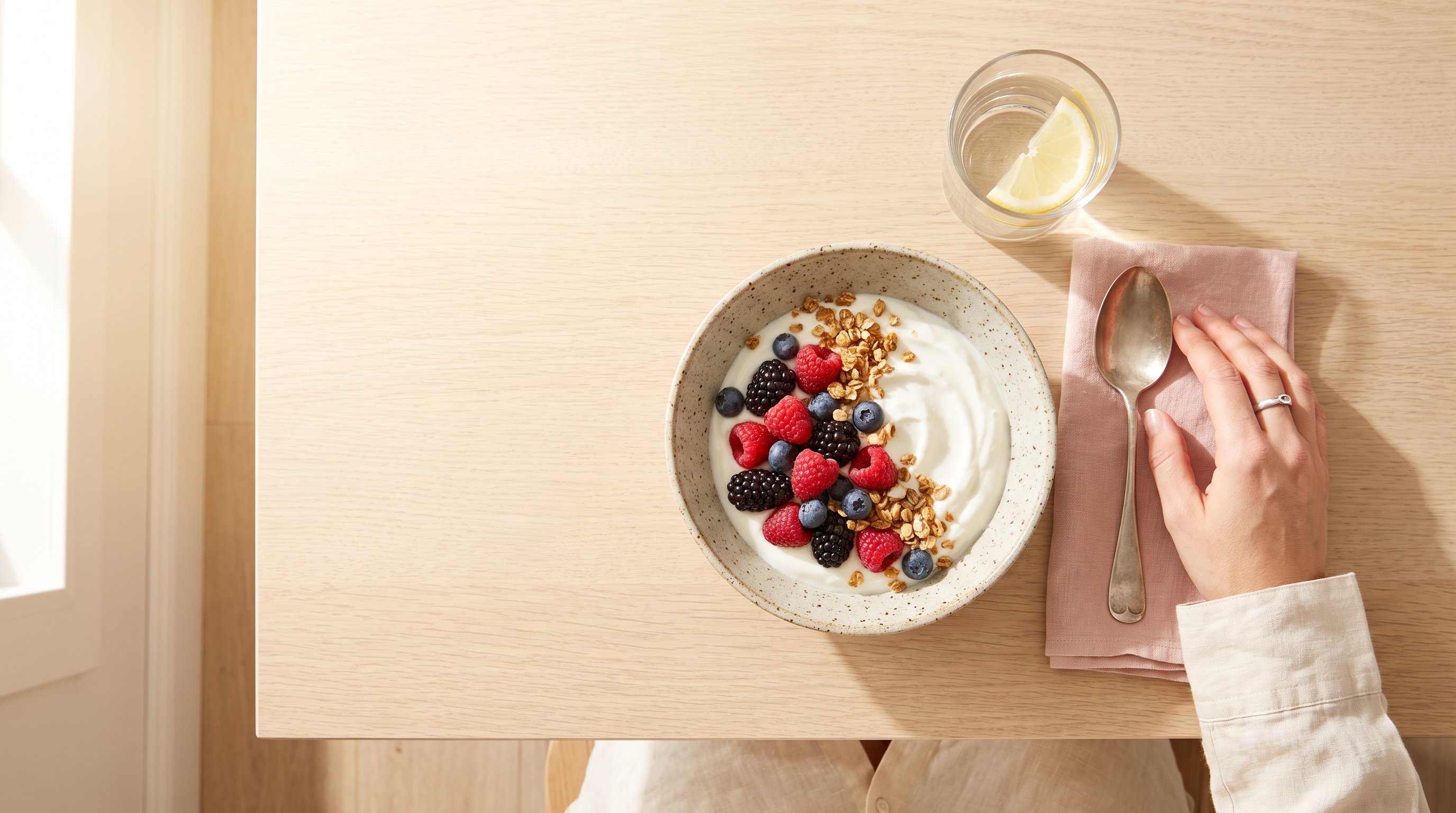
A coffee and a pastry might start the day but it leaves a long stretch with nothing for your body to work with. A couple of eggs or a yoghurt with fruit closes that gap without much effort.
Treating Protein As the Whole Plan
Protein without any strength or resistance movement is only half the picture, since muscle needs a reason to use that material. Even light, simple sessions give the protein you eat somewhere to go.
Guessing Portions Instead of Checking
A palm-sized serving looks different from person to person, and guessing often means quietly falling short of the daily target. Checking labels or weighing food occasionally keeps the estimate honest without turning every meal into a maths exercise.
Building Protein Targets Into a Cycle Diet Routine
Hitting a daily protein target is easier when the meals are already built around it, rather than left to guesswork at the end of a long day.
Cycle Diet offers over 500 cycle-based recipes designed to fit your body's natural rhythm, with protein sources already built into the structure of each plan, plus progress tracking so you can see water, weight and consistency in one place rather than juggling separate apps.

Balance Hormones Naturally
Finally Feel In Sync
Starting Tomorrow's Plate With One Protein Swap
The easiest place to start isn't a full overhaul - it's picking one meal, usually breakfast, and adding a proper protein source to it tomorrow morning.
Build from there one meal at a time, and let Cycle Diet handle the recipe planning so the protein target becomes part of what you're already eating rather than something extra to track.
FAQ
A common starting point is around 1.2g per kilogram of body weight per day, spread across three or four meals. That figure can shift depending on activity levels and individual goals, so treat it as a starting point rather than a strict rule.
Protein needs don't change because of trends - muscle maintenance is an ongoing process that relies on amino acids from food. The focus here is on consistent daily intake, not a short-term fix.
You don't need separate meals - adding a protein source to what you already cook, like beans to a pasta sauce or eggs to a salad, covers it. Cycle Diet's recipes are built with protein already included, so there's no extra planning required.
It usually happens when the habit depends on remembering to buy or prep specific foods, and a busy week gets in the way. Keeping a few simple, repeatable options on hand, rather than relying on variety, tends to hold up better over time.
Share this post