Foods That Reduce Bloating: Whole Food Options That Work Quickly
By:Author:Cycle Diet Editorial
Updated on:October 28, 2026
- Do Foods That Reduce Bloating Actually Work
- Whole Foods Versus Anti-Bloating Supplements
- Why Food Swaps Beat a Strict Elimination Diet
- Adjusting Bloating-Friendly Foods to Your Routine
- Making These Foods Work on a Normal Week
- The Myth That One Food Cures Bloating Overnight
- Building Bloating-Friendly Meals Through Cycle Diet
- Starting Tonight's Meal With One Simple Swap
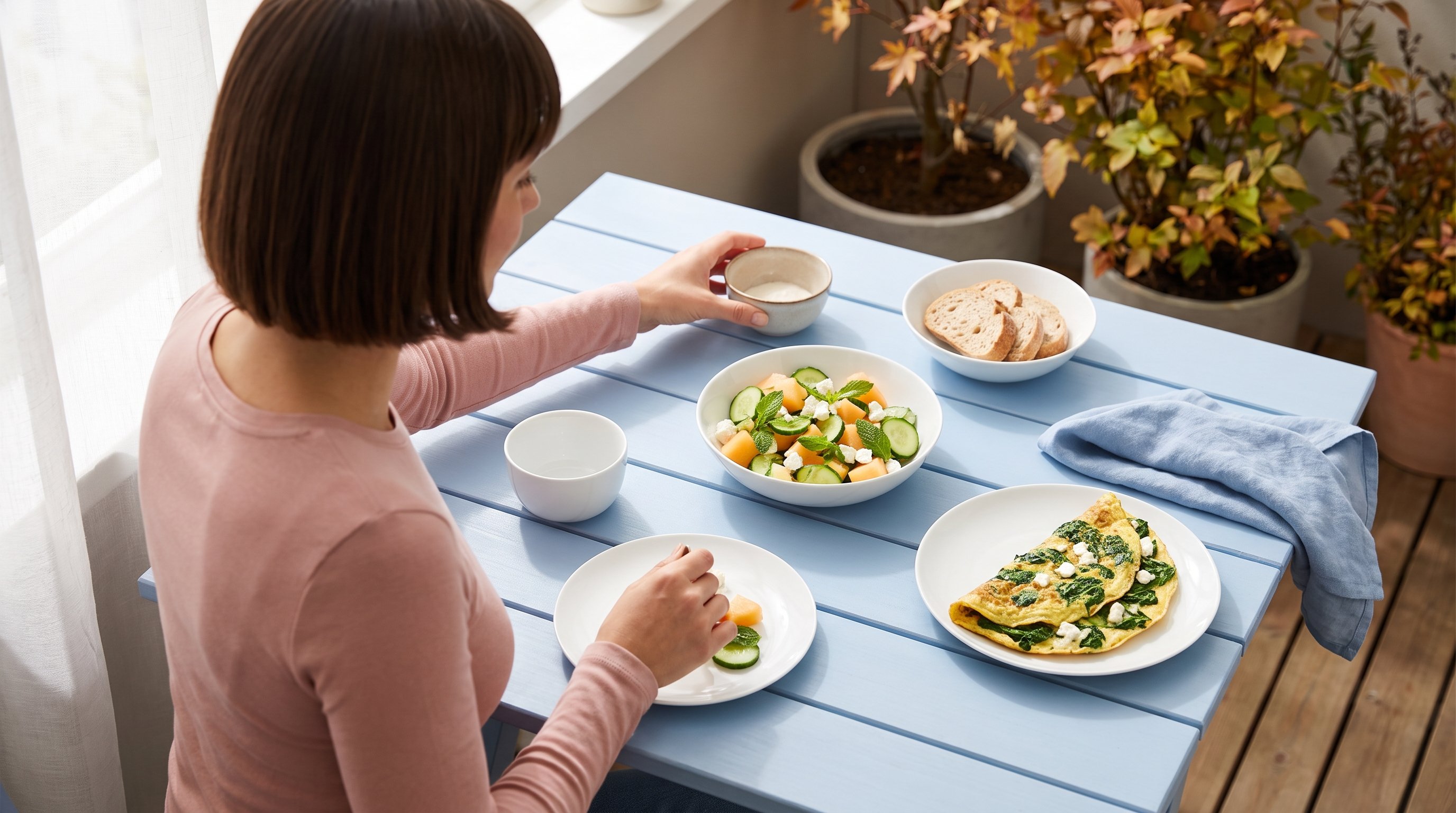
Bloating usually eases fastest with foods that are easy to digest, low in added sodium, and high in water - think cucumber, melon, ginger and plain yoghurt.
Bloating is mostly about gas, water retention, or slow digestion, so the right foods work by moving things along or reducing the sodium load your body is holding onto.
This guide covers which foods actually help, how they compare to other fixes, who needs to adjust the approach, and how to build this into a normal week without overthinking it.
Do Foods That Reduce Bloating Actually Work
Bloating has a few common causes: trapped gas, water retention from sodium, or food sitting in the gut longer than usual.
Foods that help tend to do one of three things - they're gentle on digestion, they're naturally low in sodium, or they contain water and potassium that support normal fluid balance.
Ginger and peppermint are traditionally used to settle digestion because they can relax the gut muscles, which may ease the feeling of trapped gas.
Cucumber, melon and yoghurt fit the same pattern - simple, low-sodium, easy to digest - which is arithmetic you can check for yourself by comparing a plate of these to a plate of salty, processed food.
None of this is instant. A single meal will not undo days of high-sodium eating, but swapping toward these foods over a day or two can make a noticeable difference in how your stomach feels.
Whole Foods Versus Anti-Bloating Supplements
When your stomach feels tight, the choice usually comes down to reaching for a supplement or just changing what's on your plate.
Here's how the two options stack up on the things that actually matter day to day.

| Option | Cost | Effort | Consistency |
|---|---|---|---|
| Whole foods | Already in your kitchen | Low, just substitution | Easy to repeat daily |
| Supplements | Ongoing purchase needed | Remembering to take them | Often skipped or forgotten |
| Whole foods | No extra ingredients | Fits existing meals | Builds into normal habits |
| Supplements | Variable quality control | Requires research first | Dependent on routine |
| Whole foods | Doubles as real meals | No new habit to learn | Sticks past the first week |
Whole food swaps win on consistency because they don't ask you to remember anything extra - you're just eating differently, not adding a new step.
Why Food Swaps Beat a Strict Elimination Diet
A strict elimination diet - cutting out whole food groups to find the culprit - can work, but it's hard to sustain and easy to abandon after a few frustrating weeks.
Simple substitution is gentler: swap a salty processed snack for cucumber slices, swap a sugary drink for water with mint, and let your gut settle without the all-or-nothing pressure.
The reason substitution sticks is boring but true - it asks less of you, so you keep doing it.
Elimination diets often fail not because the logic is wrong, but because real life doesn't pause for a rigid food plan.
Adjusting Bloating-Friendly Foods to Your Routine
If You're New to Eating This Way
Start with one swap at a time - add cucumber or melon to a meal you already eat, rather than overhauling your whole plate at once.
If Your Week Is Already Full
Keep pre-cut cucumber, melon chunks or plain yoghurt on hand so the easy choice is also the fast one when you're rushing between tasks.

If You're Sensitive to Certain Foods
Some high-fibre or fermented foods that help one person can cause more gas in another, so adjust based on how your own stomach responds.
If You Bloat Around Your Cycle
Fluid retention can shift through the month, so leaning on lower-sodium, water-rich foods in the days you notice it most can make a real difference.
Making These Foods Work on a Normal Week
None of this requires a special shopping list - cucumber, melon, ginger, peppermint tea and plain yoghurt are all things you can pick up on a regular grocery run.
The habit that actually works is pairing these foods with meals you already cook, not building a whole new menu around them.
This is where a meal planning tool built around food you already like makes the difference - it maps these kinds of swaps into your existing meals instead of asking you to start from scratch.
Keeping steps, water and weight in one place also makes it easier to notice patterns, like whether bloating tends to show up after certain meals or at certain points in your month.
The Myth That One Food Cures Bloating Overnight
No single food melts bloating away in one sitting, and anything promising that is overselling what digestion can actually do.
The body doesn't work by targeting one area or fixing one meal instantly - bloating eases gradually as your gut processes food and your sodium and fluid levels settle.
The real answer is unglamorous: consistent, low-sodium, easy-to-digest meals over days, not a single miracle ingredient.
That's not as exciting as a quick fix, but it's the version that's actually true.
Building Bloating-Friendly Meals Through Cycle Diet
Figuring out which foods settle your stomach is one thing - actually building them into daily meals without extra mental effort is another.
Cycle Diet maps meals to where you are in your cycle, which matters because bloating patterns often shift through the month rather than staying constant.
With over 500 cycle-based recipes, the app gives you ready meals built around whole foods, so you're not reinventing your plate every time your stomach feels off.
Progress tracking and visualisation - covering water intake, weight and more - also helps you spot whether a food swap is actually making a difference for you specifically.

Balance Hormones Naturally
Finally Feel In Sync
Starting Tonight's Meal With One Simple Swap
Pick one meal tonight and swap in something water-rich and low-sodium instead of the usual salty side - cucumber, melon or a plain yoghurt-based dish all work.
That single swap won't fix everything by itself, but it's the kind of small, repeatable change that adds up over a week rather than one dramatic overhaul.
If you want the swaps mapped out for you across your whole cycle, a cycle-tracking meal planner turns this into a plan rather than something you have to figure out meal by meal.
FAQ
Water-rich, low-sodium foods like cucumber and melon, along with ginger or peppermint tea, tend to settle digestion the quickest. Results still depend on what else you're eating that day, so think in terms of the whole plate, not one ingredient.
No, cutting out entire food groups is not necessary and can be hard to sustain long term. Most bloating responds better to lower sodium and easier-to-digest choices than to removing whole categories of food.
You don't need to cook differently, just swap ingredients within meals you already make, like adding cucumber instead of crisps on the side. Cycle Diet builds these swaps into ready meal plans so there's less deciding involved.
Bloating can be influenced by sodium intake, hydration, and hormonal shifts through the month, so it rarely disappears for good after one change. Tracking what you eat alongside how you feel over a few weeks usually reveals the pattern.
Share this post