Foods for Hormonal Balance: A Practical Daily Eating Routine
By:Author:Cycle Diet Editorial
Updated on:October 28, 2026
- A Day of Eating Built Around Steady Hormones
- How Often These Foods Should Show Up on Your Plate
- Why Everyday Swaps Beat a Strict Hormone Reset
- Fitting Hormone-Friendly Eating Into a Packed Week
- Adjusting Hormone-Supportive Eating to Different Life Stages
- When Does Eating Like This Start to Feel Normal
- Letting Cycle Diet Simplify Foods for Hormonal Balance
- Starting Tomorrow's Plate With One Food Swap
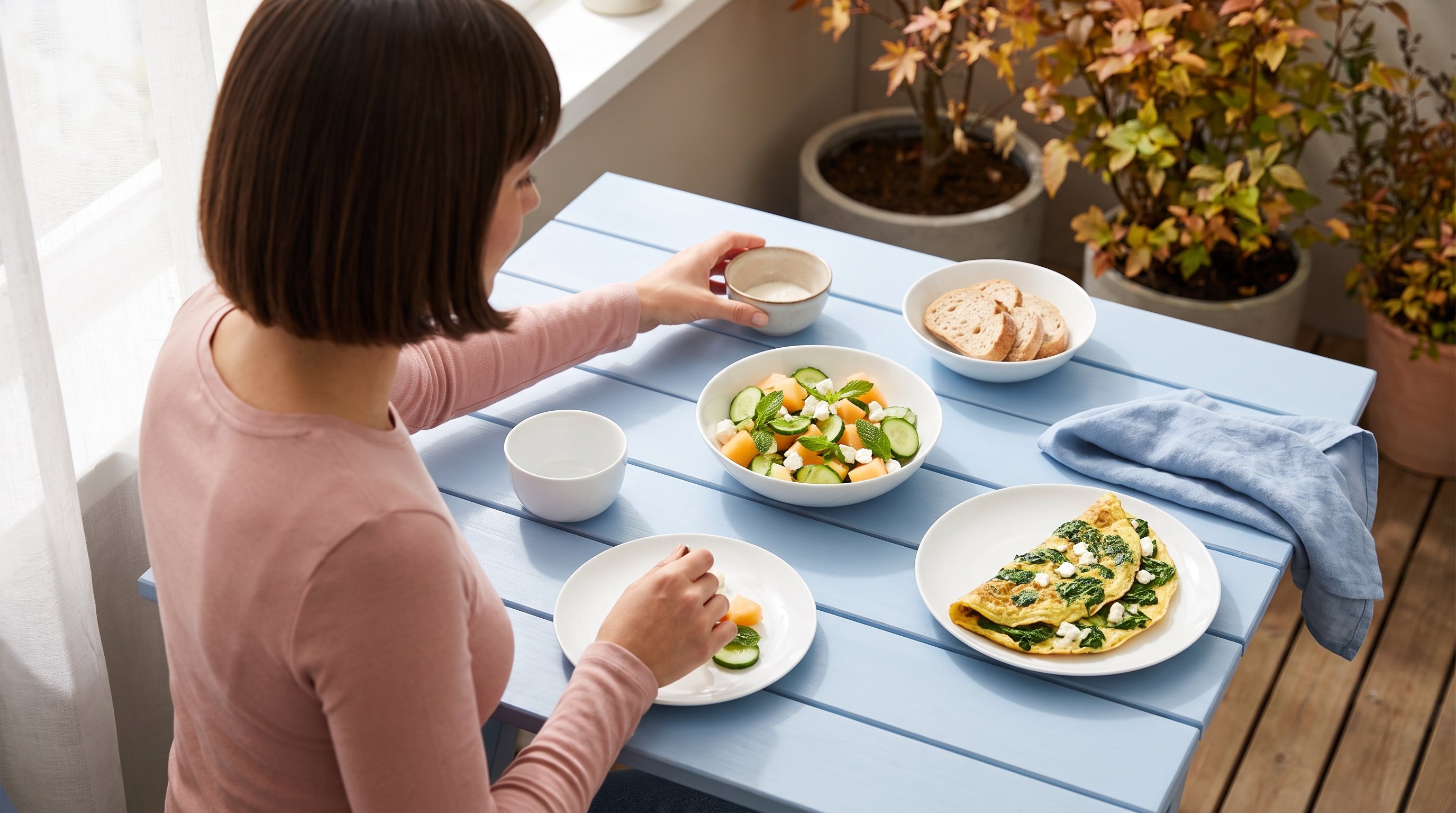
Foods for hormonal balance work by giving the body steady fuel - protein, fibre, healthy fats and a wide range of plants - instead of the sharp spikes and crashes that come from skipping meals or relying on heavily processed food.
Hormones respond to signals like blood sugar swings, stress, sleep and energy availability, so a consistent eating pattern gives the body fewer surprises to react to.
This article covers what a balanced day of eating can look like, how often to aim for certain foods, why small swaps beat strict rules, and how to fit this into a week that's already full.
A Day of Eating Built Around Steady Hormones
Here's one way a full day could look if the goal is steadier energy and fewer blood sugar spikes.
A Sample Day
- Breakfast - eggs or yoghurt with berries and a handful of nuts
- Mid-morning - an apple with a tablespoon of nut butter
- Lunch - a grain bowl with beans, leafy greens and olive oil
- Afternoon - carrot sticks with hummus or a small handful of seeds
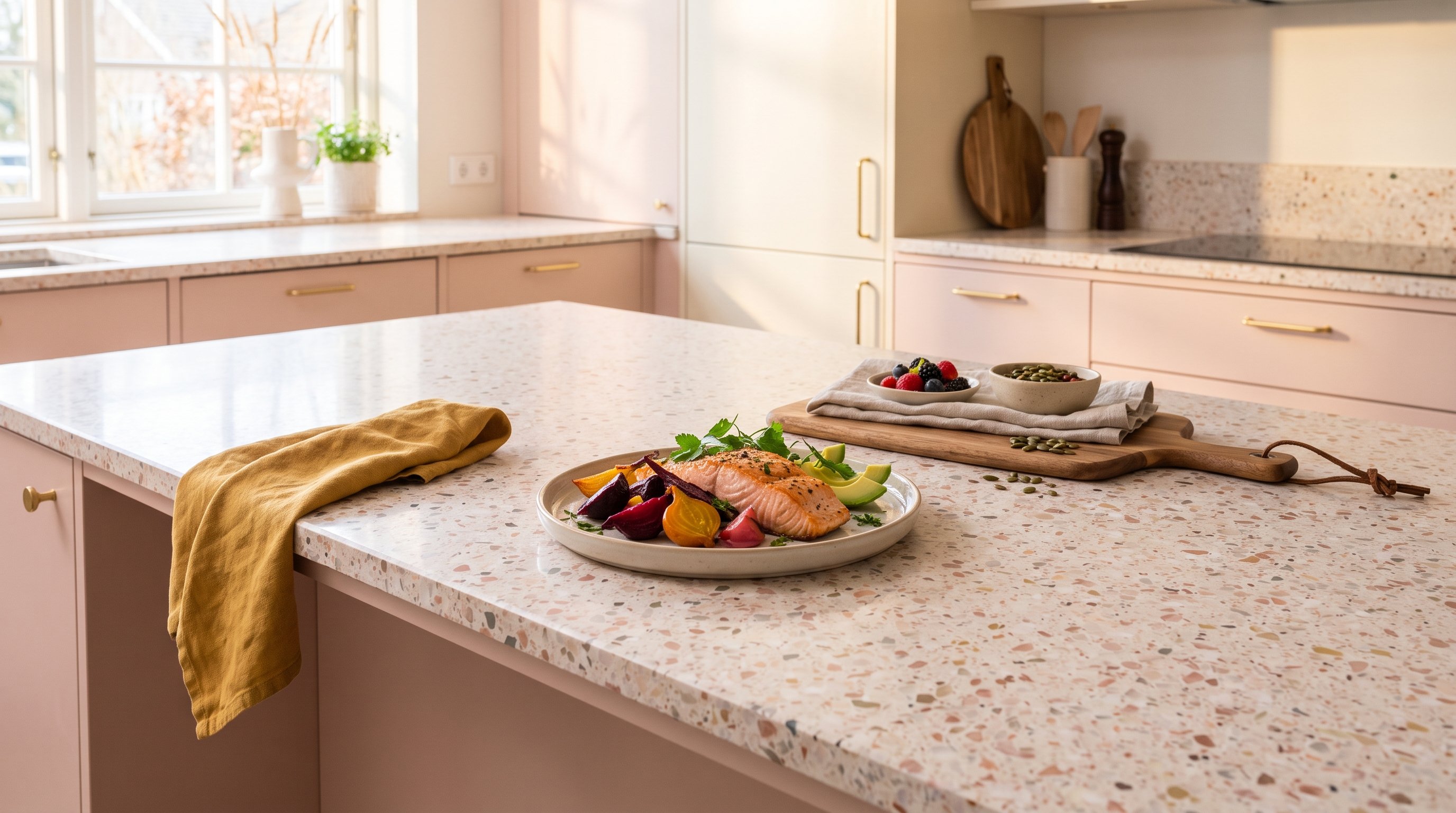
- Dinner - salmon or lentils with roasted vegetables and a wholegrain side
Notice the pattern: protein and fibre show up at every meal, and nothing on the list is a special ingredient you can't find at a normal shop.
How Often These Foods Should Show Up on Your Plate
Building a Weekly Rhythm
Rather than chasing one perfect meal, aim for these food groups to repeat across the week so the body gets a steady supply rather than an occasional burst.
| Food Group | How Often |
|---|---|
| Protein source | Every meal |
| Fibre-rich plants | Most meals |
| Healthy fats | Daily |
| Oily fish or plant omega-3 | Two to three times weekly |
| Fermented foods | A few times weekly |
None of this needs to be exact - think of it as a loose rhythm rather than a checklist to tick off perfectly every day.
Why Everyday Swaps Beat a Strict Hormone Reset
A strict hormone reset usually means cutting out entire food groups, counting every gram, and white-knuckling through cravings - and it tends to fall apart within a few weeks because it asks too much of a normal life.
Everyday substitution works differently: swap the sugary cereal for one with more fibre, add a palm of protein to lunch, keep nuts in the bag instead of biscuits.

Small swaps are easier to repeat on a Tuesday after a long day, and repeating something imperfectly every week beats doing something perfect for ten days and then quitting.
Fitting Hormone-Friendly Eating Into a Packed Week
Real weeks have early meetings, school runs and takeaway nights, so the plan has to survive contact with an actual calendar, not just a quiet Sunday.
Batch-cooking a protein and a grain at the start of the week means lunch is mostly assembly, not a from-scratch cook every single day.
Cycle Diet builds this kind of eating around where someone is in their cycle, with a meal plan built around food you already like so the swaps feel natural instead of forced.
Adjusting Hormone-Supportive Eating to Different Life Stages
If You're New to This
Start with one meal a day - usually breakfast - and add a protein source and a piece of fruit before worrying about anything else.
If Your Week Is Packed
Lean on simple combinations that need no recipe, like tinned beans with frozen vegetables, rather than aiming for an elaborate meal every night.

If You're Tracking a Cycle
Needs can shift across the month, so having a flexible list of go-to meals rather than one fixed plan makes it easier to adjust as appetite or energy changes.
If You're Over 40
Protein and fibre both tend to matter more for keeping meals satisfying, so building both into each plate rather than treating them as extras can help the day feel steadier.
When Does Eating Like This Start to Feel Normal
Most people notice the food swaps feel automatic before they notice any other change, simply because repetition does the work.
It's easy to quit around week two or three, right when the new habits still feel effortful and the payoff isn't obvious yet.
Staying vague about exact timing is honest here - the goal is a pattern you can keep holding, not a date on a calendar.
Letting Cycle Diet Simplify Foods for Hormonal Balance
Figuring out what to eat and when can get tiring fast, especially if energy and appetite shift across the month.
Cycle Diet takes that guesswork off your plate with over 500 cycle-based recipes, a period tracker that lines meals up with where you are in your cycle, and daily insights that suggest what might suit you best that day.
Progress tracking for water, steps and weight sits in the same place, so you're not juggling separate apps just to see the full picture.
Balance Hormones Naturally
Finally Feel In Sync
Starting Tomorrow's Plate With One Food Swap
Pick one meal tomorrow and add a protein and a handful of vegetables to it - that's the entire starting point, nothing more complicated than that.
A cycle-tracking app can help turn that single swap into a routine, with recipes and tracking that make the next meal easier to plan than the first one was.
FAQ
Food is one input among many, alongside sleep, stress and activity, so it supports the body's natural rhythms rather than controlling them outright. Think of it as reducing unnecessary swings rather than fixing anything on its own.
No - the approach here is about adding protein, fibre and variety rather than cutting entire food groups out. Restriction tends to be the part that makes diets hard to stick with long term.
Simple combinations like tinned beans, pre-washed greens and frozen fruit count just as much as an elaborate recipe. Cycle Diet's recipe library includes options built for busy days, not just weekend cooking projects.
Nothing dramatic - just pick back up with the next meal rather than waiting for a fresh start on Monday. One missed week doesn't undo the pattern you've built, it just pauses it.
Share this post