Anti Inflammatory Foods: The Honest Guide
By:Author:Cycle Diet Editorial
Updated on:October 28, 2026
- Do Anti Inflammatory Foods Actually Do Anything
- What's Actually Happening on an Anti Inflammatory Plate
- How Often Anti Inflammatory Foods Should Show Up
- Why Everyday Substitution Beats a Strict Elimination Plan
- Fitting Anti Inflammatory Eating Into a Real Week
- The Myth That One Food Cures Inflammation
- Three Key Factors That Shape Your Anti Inflammatory Results
- Mistakes That Quietly Undo an Anti Inflammatory Plate
- How Cycle Diet Simplifies Anti Inflammatory Eating
- Building a Plate That Actually Supports You
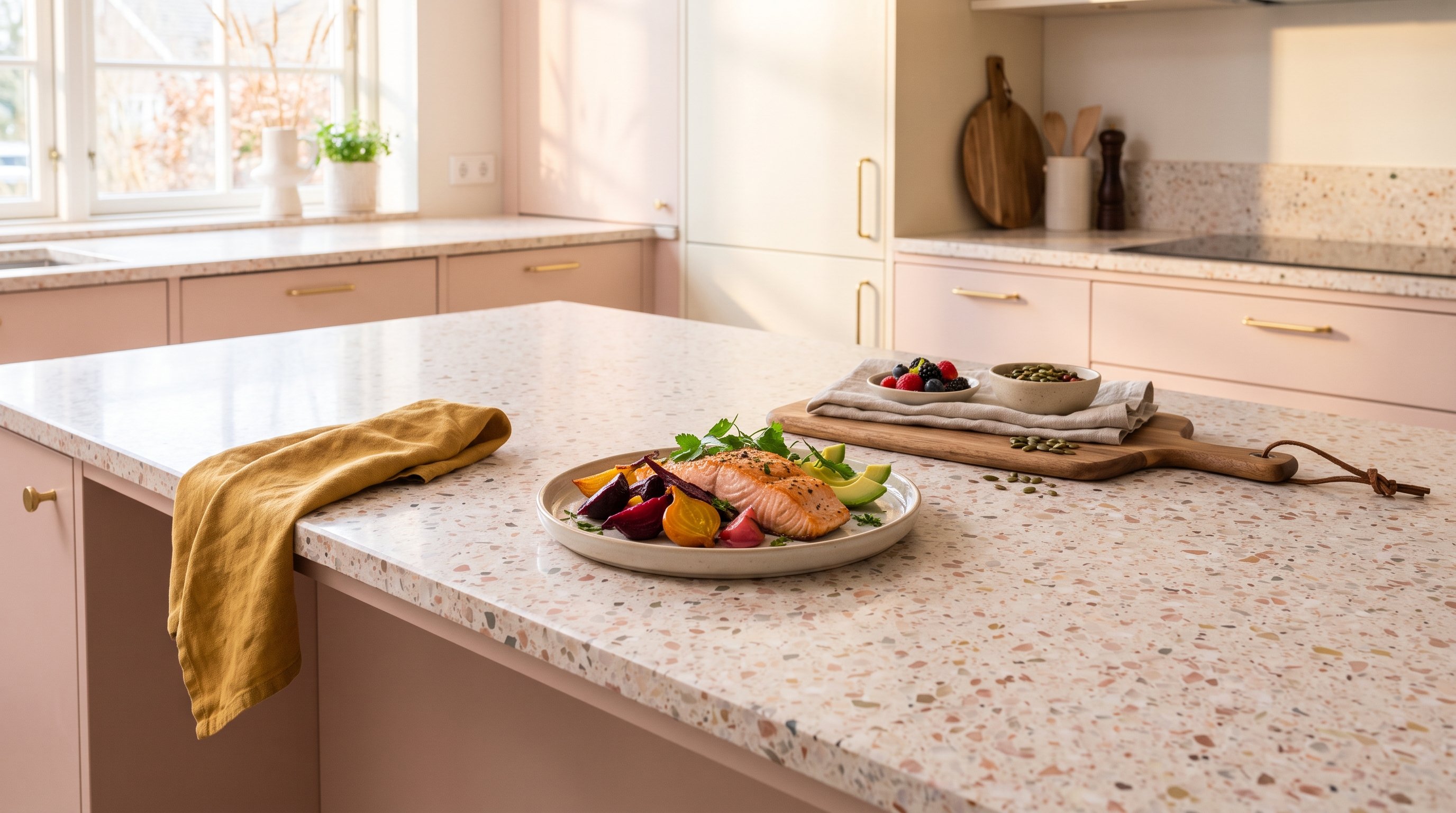
Anti inflammatory foods won't cure anything, but swapping fried and ultra-processed meals for whole foods rich in fibre, healthy fats and plant compounds can support how your body handles everyday inflammation.
Inflammation is a normal process your body uses to repair itself, and what you eat is one of the few levers you control day to day. Certain foods feed the processes that keep that response in balance, while others - think sugary drinks and deep-fried snacks - tend to push it the other way.
This guide covers what actually changes with this way of eating, how often it matters, the mistakes that undo the effort, and how to build a plate you'll actually want to eat again tomorrow.
Do Anti Inflammatory Foods Actually Do Anything
The mechanism is simple: foods rich in fibre, omega-3 fats and plant pigments give your body the raw materials it uses to manage its own repair and defence processes, while heavily processed foods tend to add extra strain without offering much back.
That doesn't mean any single food flips a switch. It means the overall pattern of what's on your plate, meal after meal, is what adds up over time.
Here's the honest arithmetic: if you eat three meals a day, that's roughly 21 meals a week. Shifting even a third of those toward vegetables, oily fish, nuts and olive oil instead of fried or packaged options is a real, countable change - not a guess, just basic maths on your own week.
What's Actually Happening on an Anti Inflammatory Plate
Two separate things are going on when you build a plate this way, and it helps to understand both.
Fibre and Plant Compounds Do the Steady Work
Vegetables, fruit, beans and whole grains carry fibre and colourful plant compounds that your gut and immune system use daily. Eating a wider variety of these, rather than the same three vegetables on repeat, gives your body more to work with.
Healthy Fats Replace the Fats That Work Against You
Swapping fried foods and processed oils for olive oil, nuts, seeds and oily fish changes the type of fat you're eating, not just the amount. It's a substitution, not a restriction, which is exactly why it's easier to keep up.
How Often Anti Inflammatory Foods Should Show Up
There's no single magic number, but consistency across the week matters more than any one perfect meal.
Building a Weekly Rhythm
Aim to include at least one source of healthy fat, one leafy or colourful vegetable, and one fibre-rich carbohydrate at most meals. Doing this most days, rather than a handful of perfect days followed by a week of takeaways, is what actually shows up in how you feel.

| Food | How Often | Easy Swap |
|---|---|---|
| Oily fish | 2-3 times weekly | Instead of fried fish |
| Leafy greens | Most days | Instead of iceberg lettuce only |
| Olive oil | Daily cooking fat | Instead of processed oils |
| Nuts and seeds | Small handful daily | Instead of packaged snacks |
| Berries | 3-4 times weekly | Instead of sugary desserts |
Why Everyday Substitution Beats a Strict Elimination Plan
There are two ways to eat this way: strip out every processed food and gluten and dairy all at once, or swap one or two things at a time and keep the rest of your routine intact.
The strict version tends to fail fast because it asks too much change at once, and most people abandon it within a few weeks.
The substitution approach - swapping the cooking oil, adding fish twice a week, choosing berries over biscuits - keeps your routine close enough to normal that you can actually stick with it long enough for it to matter.
Fitting Anti Inflammatory Eating Into a Real Week
A busy week doesn't leave much room for elaborate meal planning, which is exactly why small, repeatable swaps work better than a complete overhaul.
Batch-cooking a tray of roasted vegetables on a Sunday, keeping a bag of nuts at your desk, and having a go-to fish dish for two nights a week covers most of the ground without extra decision-making.
Cycle Diet's recipe library can take that decision-making off your plate entirely, since the meal plans are already built around whole foods like these and adjusted to where you are in your cycle.
The Myth That One Food Cures Inflammation
No single food - not turmeric, not ginger, not any 'superfood' - cures inflammation or fixes a health condition on its own, and anyone who tells you otherwise is overselling it.
The body doesn't work in isolated fixes like that. It responds to patterns built over weeks and months, not to one ingredient added to one meal.
The honest answer is less exciting but more useful: a varied plate, eaten consistently, is what actually supports your body's own processes - not a single miracle ingredient.
Three Key Factors That Shape Your Anti Inflammatory Results
Three things tend to matter more than anything else with anti inflammatory eating.
The Biggest Levers
- Consistency over weeks - one healthy meal does little, but repeating the pattern most days is where the change actually lives.
- Variety of plants - rotating different vegetables, fruits and whole grains gives your body a wider range of fibre and plant compounds than eating the same few on repeat.
- Reducing processed extremes - cutting back on deep-fried food and sugary drinks matters as much as adding the good stuff, since both sides of the plate count.
Mistakes That Quietly Undo an Anti Inflammatory Plate
Chasing One Superfood Instead of the Whole Plate
Adding turmeric to your coffee while still eating fried food most nights won't move the needle much. Focus on the overall pattern, not one trendy ingredient.
Going All-In for a Week and Quitting
A strict week followed by three weeks of old habits averages out to very little change. Smaller, steady swaps beat short bursts of intensity.

Forgetting the Drinks Count Too
Sugary drinks and alcohol can undo the work of a good plate just as easily as fried food can. Water, tea and the odd coffee are the easier default.
Treating It As All-Or-Nothing
Skipping one meal of vegetables doesn't ruin anything, and expecting perfection is what makes people quit. The pattern matters, not any single meal.
How Cycle Diet Simplifies Anti Inflammatory Eating
Building a varied, whole-food plate every single day takes planning most people don't have time for, which is usually where good intentions quietly stall.
Cycle Diet handles that planning for you, with over 500 cycle-based recipes built around whole foods and adjusted to how your body changes through the month, so you're not starting from a blank page at every meal.
The nutrition guides inside the app also break down which foods support your body at each phase, alongside progress tracking for water, weight and steps so you can see the pattern building, not just guess at it.

Balance Hormones Naturally
Finally Feel In Sync
Building a Plate That Actually Supports You
Start with one swap this week - better oil, an extra vegetable, fish instead of fried chicken twice - and let it become normal before adding the next one.
Cycle Diet can take the guesswork out of what goes on that plate, so the habit has a better chance of lasting past the first fortnight.
FAQ
They can support a weight-loss plan because whole foods like vegetables, fish and nuts tend to be more filling than processed alternatives, which makes a calorie deficit easier to hold. They're not a shortcut on their own - the overall pattern of eating still matters most.
No, and trying to usually backfires because it's too much change at once. Swapping one or two processed staples for whole-food versions each week tends to stick far better.
Olive oil, walnuts, flaxseed and chia seeds also offer healthy fats and work as everyday substitutes. There's no single required food - the goal is the overall pattern, not one specific ingredient.
Most people drop off when planning becomes a chore, so having meals ready to go matters more than willpower. Cycle Diet's recipe library and progress trackers keep the plan visible day to day, which makes it easier to keep going past the point where motivation usually fades.
Share this post