Morning Stretches: A Simple Habit for Your First Four Weeks
By:Author:Cycle Diet Editorial
Updated on:October 28, 2026

- Do Morning Stretches Actually Do Anything
- What Stretching Actually Changes in Your Body
- How Many Minutes of Stretching You Actually Need
- Stretching Versus a Full Morning Workout
- Making Stretching Work on a Real Week
- The Myth That Stretching Targets Stubborn Fat
- What Actually Determines Your Results Here
- Mistakes That Quietly Kill a Stretching Habit
- Building a Stretching Habit With Cycle Diet
- Starting Tomorrow's Stretch Before You Check Your Phone
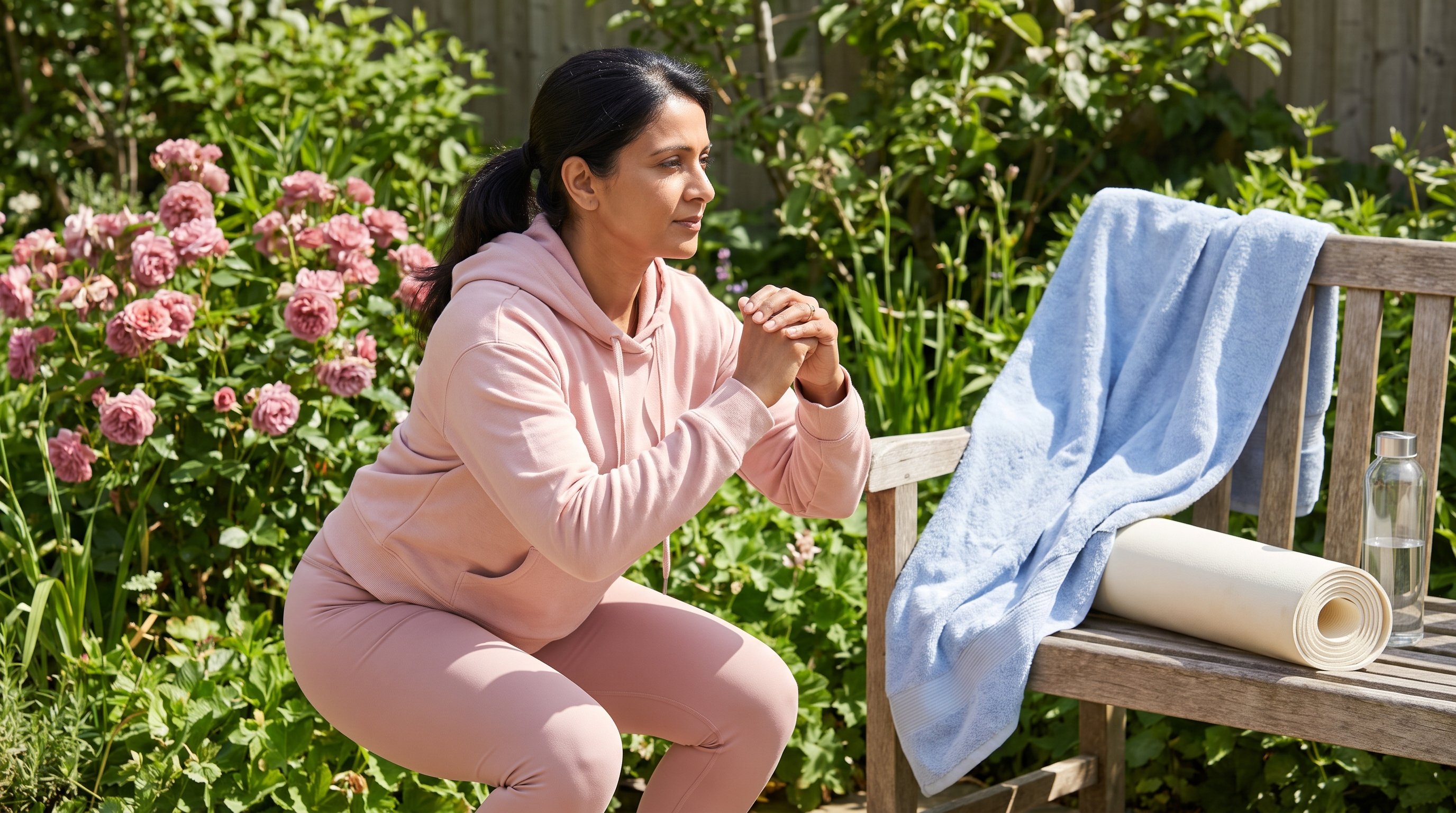
Stretching loosens stiff muscles, wakes up your joints, and gives your body a gentle signal that the day has started. It doesn't burn fat and it won't reshape anything, but it makes the first twenty minutes of your day feel less like a struggle.
Overnight, you've been still for hours, so connective tissue tightens and blood flow slows down. A few minutes of slow movement brings circulation back up and gives your nervous system a calmer way to start, rather than jumping straight into noise and screens.
This guide covers whether stretching actually does anything, how the mechanism works, how much you need, and how to fit the habit into a week that's already busy.
Do Morning Stretches Actually Do Anything
Yes, within a limited and honest scope. Stretching lengthens muscle fibre temporarily, increases blood flow to the area, and reduces the feeling of stiffness that builds up after hours of lying still.
The arithmetic is simple. A five-minute routine done most mornings adds up to roughly 35 minutes a week of gentle movement, which is enough to keep joints mobile without needing any extra planning or equipment.
It won't change your metabolism or target any part of your body. What it does is lower the barrier to moving at all, which matters more than people expect on the mornings motivation is lowest.
What Stretching Actually Changes in Your Body
Two separate things happen when you stretch in the morning, and both are worth understanding on their own.
Muscles and Joints Loosen Gradually
Muscle tissue is stiffer after sleep because you haven't moved it in hours, so gentle stretching lengthens the fibres and improves the range you can move through comfortably.

This is temporary, which is exactly why doing it daily matters more than doing it once a week.
Blood Flow and Alertness Pick Up
Movement increases circulation to the muscles you're working, which is part of why a short routine can leave you feeling more awake than scrolling your phone in bed.
Neither effect is dramatic, but stacked daily, they make the first part of the morning noticeably easier to get through.
How Many Minutes of Stretching You Actually Need
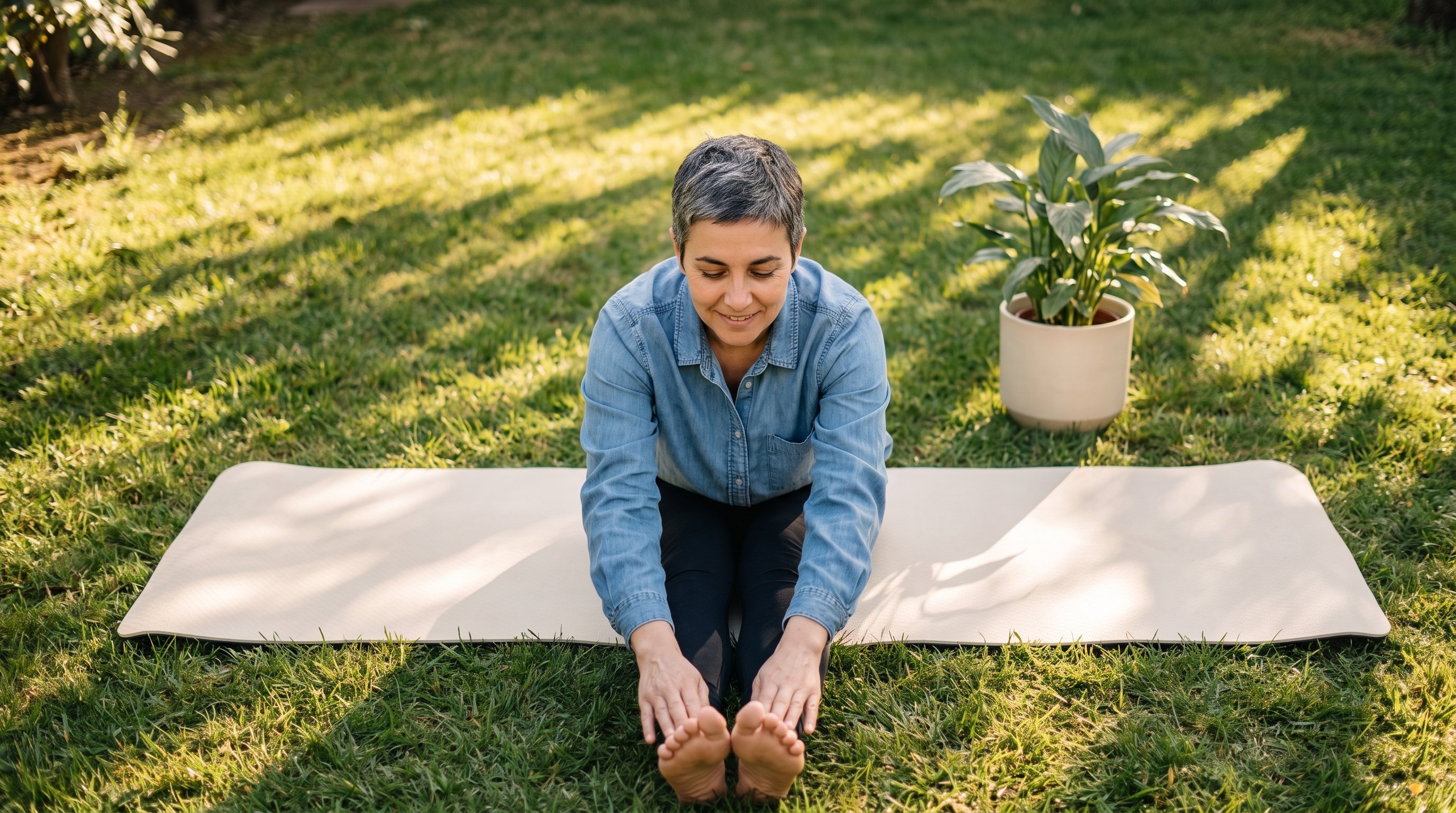
You don't need a long routine for this habit to be worth doing. Five to ten minutes covering the major areas - neck, shoulders, hips, hamstrings and lower back - is enough to notice a difference in how stiff you feel by midday.
A Simple Weekly Starting Point
The table below gives a realistic starting plan rather than a strict schedule to follow exactly.
Adjust the areas based on what feels tightest that day - stiffness shifts depending on sleep position and the day before.
| Day | Focus Area | Duration |
|---|---|---|
| Monday | Neck and shoulders | 5 minutes |
| Wednesday | Hips and lower back | 7 minutes |
| Friday | Hamstrings and calves | 5 minutes |
| Weekend | Full body, slower pace | 10 minutes |
Stretching Versus a Full Morning Workout
A full morning workout - weights, a run, a class - burns more energy in that session than a five-minute stretch ever will. But the comparison that matters isn't calories burned in one sitting, it's what actually gets done day after day.
A hard morning workout needs more time, more recovery, and more motivation than most people have before 7am on a weekday. Gentle stretching asks for almost none of that, which is exactly why the habit survives past the first week while the ambitious plan often doesn't.
The easier habit that happens every day beats the harder one that happens twice before it's abandoned.
Making Stretching Work on a Real Week
Weekdays and weekends don't look the same, so the routine shouldn't either. On a rushed weekday, two or three stretches by the bed before you even check your phone is enough to count.
On a slower day, stretching can stretch out into ten minutes with no pressure to rush through it. The point isn't a perfect routine, it's one that survives contact with a normal week.
This is where a bit of structure helps without turning it into another chore. Cycle Diet includes light exercises and guided stretches alongside its cycle-based workout library, so your routine can shift gently depending on where you are in your cycle rather than following the same rigid plan every single day.
The Myth That Stretching Targets Stubborn Fat
No stretch, however targeted it looks, reduces fat in the area you're stretching. The body doesn't pull energy from the muscle being worked - it draws from stores across the whole body, and you can't choose which part gets used first.
This applies to morning routines just as much as it does to any ab routine or thigh exercise promising to reshape one spot. What stretching actually offers is mobility, less stiffness, and an easier start to the day - which is a real benefit, just not the one the myth sells.
If the goal is changing body composition, that comes from the bigger picture - food, movement and consistency over time - not from which muscle you stretched first.
What Actually Determines Your Results Here
A handful of factors decide whether a stretching habit sticks and pays off, more than the exact stretches chosen.
What Moves the Needle
- Consistency over intensity - stretching for five minutes daily beats an ambitious twenty-minute session you only manage once.
- Timing that fits your actual mornings - a routine that assumes a spare half hour will get skipped the first busy day it meets.
- Pairing it with something you already do - stretching right after you wake up, before coffee or your phone, makes it far easier to remember.
Mistakes That Quietly Kill a Stretching Habit
Treating It Like a Workout
Pushing into pain or bouncing through stretches defeats the point and can leave you stiffer, not looser - ease into each position and stay well within comfort.
Skipping It When the Routine Isn't Perfect
Missing the full ten minutes doesn't mean skipping entirely - two stretches by the bed still count and keep the habit alive.
Expecting Visible Change
Stretching won't change how your body looks, so judging the habit on appearance rather than how your day feels sets it up to be dropped.
Forgetting to Breathe
Holding your breath through a stretch tightens everything else - slow, steady breathing is part of what makes the stretch effective at all.
Building a Stretching Habit With Cycle Diet
A stretching habit is easier to keep when it isn't the only thing you're trying to remember each morning.
Cycle Diet brings light exercises, guided stretches, progress tracking and cycle-based workout plans into one place, so your routine fits around how you actually feel that day instead of a fixed script. Daily insights and recommendations mean the stretches suggested can shift with your cycle, and the progress tracker keeps the habit visible without extra effort.

Balance Hormones Naturally
Finally Feel In Sync
Starting Tomorrow's Stretch Before You Check Your Phone
The simplest way to start is picking three stretches - neck, hips, hamstrings - and doing them before anything else tomorrow morning.
Keep it short enough that skipping it never feels like an option, and let it grow from there if it feels good. Cycle Diet can help keep the habit visible and tailored for you as your cycle and your weeks change.
FAQ
Not directly - stretching burns very little energy and doesn't create the deficit needed for weight change. What it can do is make it easier to move more through the rest of the day, which adds up over time.
Stretching has value on its own, separate from any workout, because it loosens stiffness built up overnight regardless of whether you train that day. This kind of routine is more about mobility and starting the day calmly than preparing for a session.
Two or three stretches take under two minutes and can happen right by the bed before anything else starts. Cycle Diet's guided stretches are built short enough to fit even the most rushed mornings.
That's common and usually means the routine was too long or too rigid to survive a busy morning. Shrink it down to one or two movements and let it grow back up once it's automatic again.
Share this post