Beginner Home Workout: A Simple Plan for Your First Four Weeks
By:Author:Cycle Diet Editorial
Updated on:October 28, 2026
- Does a Beginner Home Workout Actually Build Fitness
- Home Workouts Versus Joining a Gym
- Why Skipping the Gym Commute Keeps Beginners Going
- Adapting a Beginner Home Workout to Your Situation
- Making a Home Routine Fit a Normal Week
- The Myth That Home Workouts Target Problem Areas
- Building Beginner Home Workouts Into a Daily Cycle Diet Routine
- Starting Your First Beginner Home Workout This Week
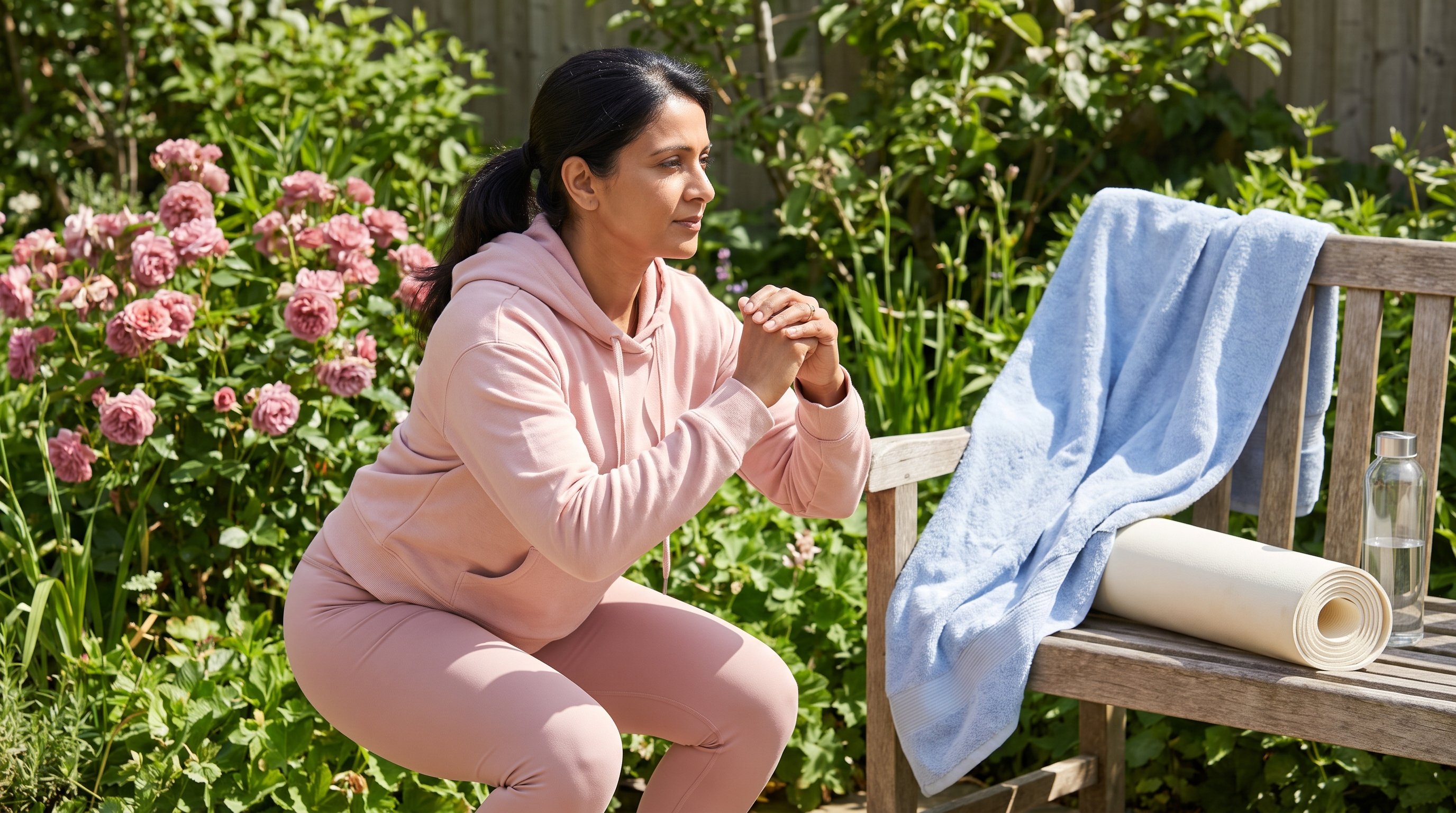
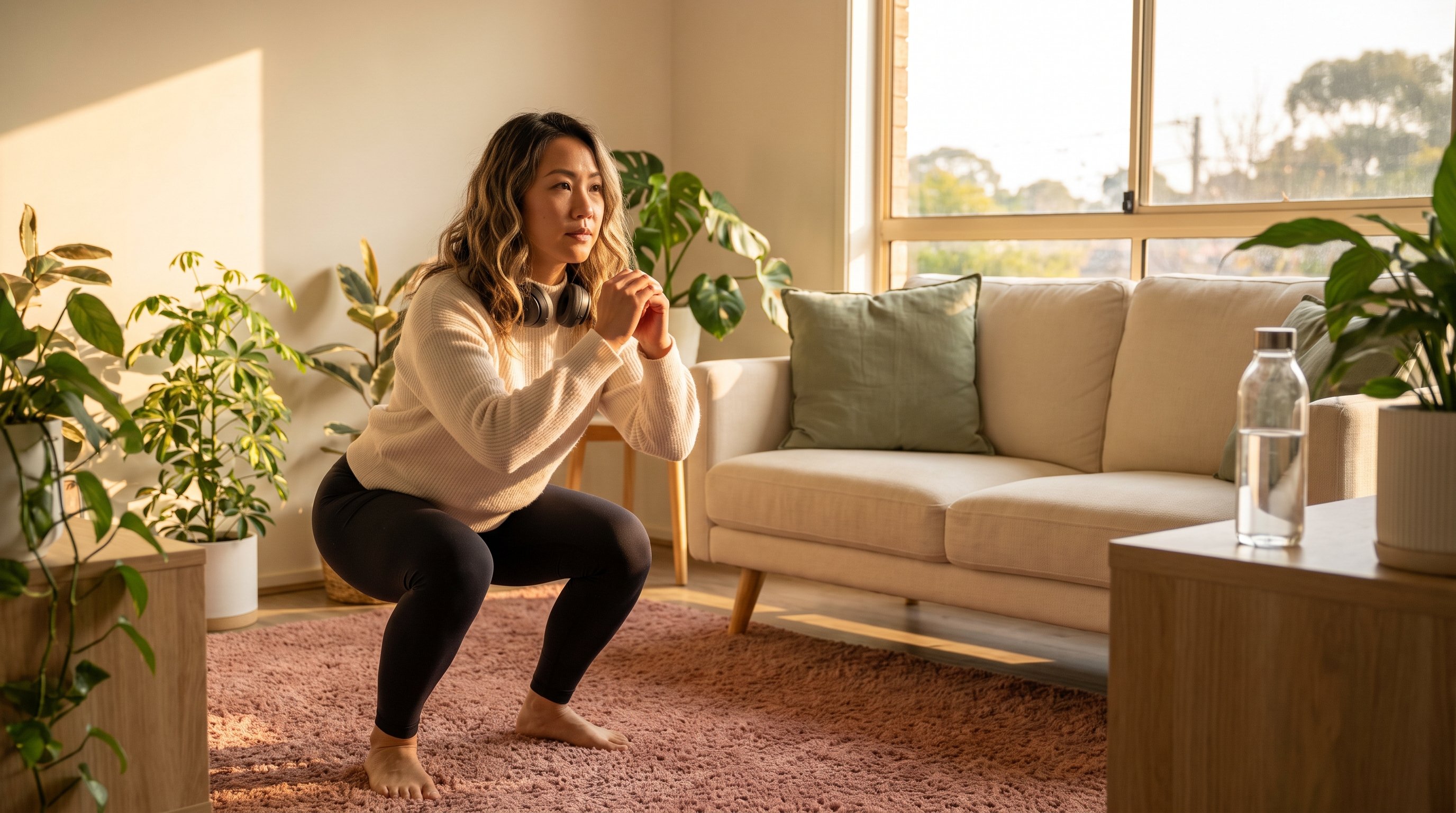
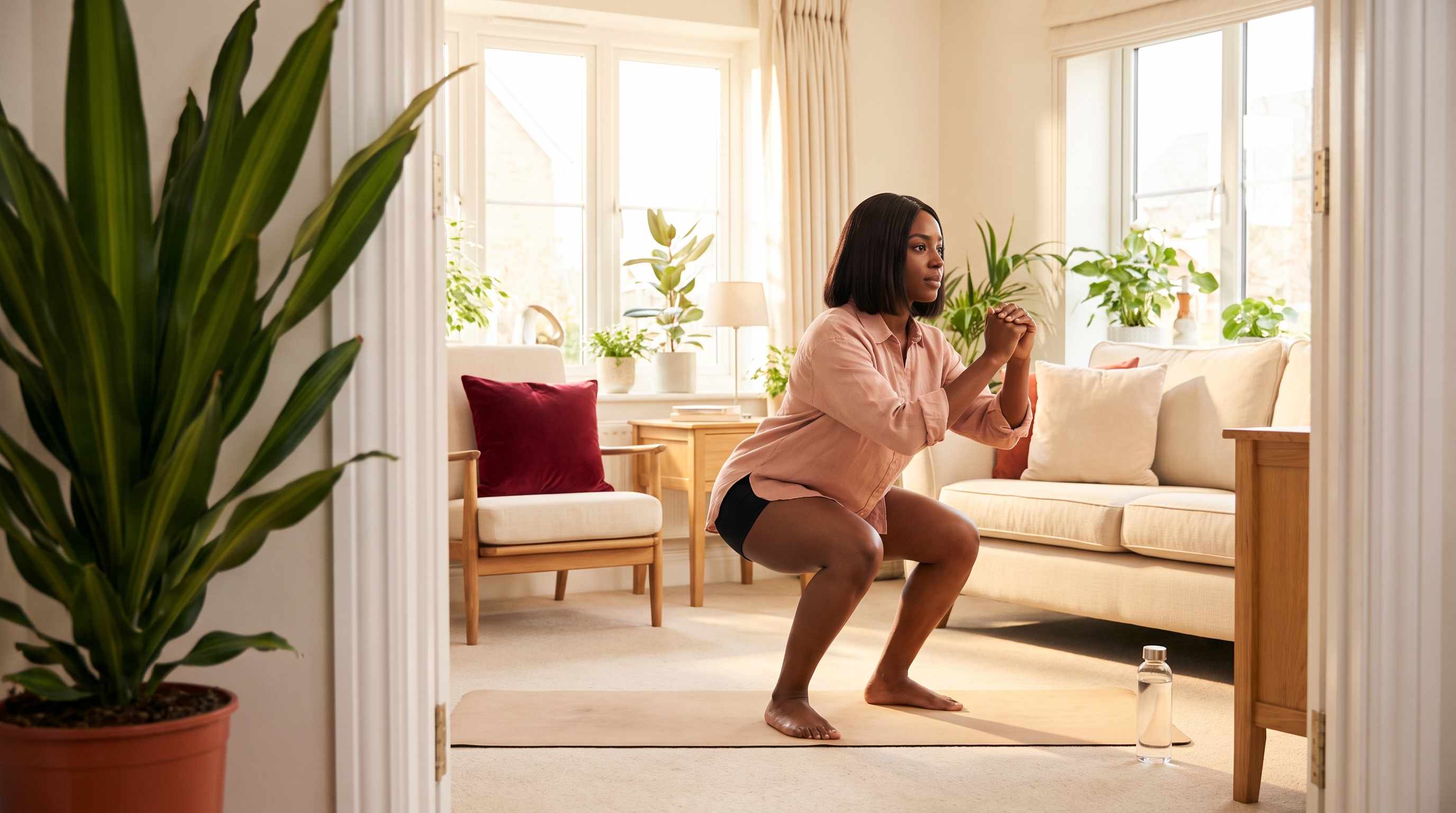
A beginner home workout works when it's simple enough to repeat: a handful of bodyweight moves, three or four times a week, done in a space no bigger than a yoga mat.
The mechanism is plain. Muscles respond to being asked to work a little harder than usual, and that can happen just as well against your own bodyweight on a living room floor as it can with a barbell in a gym.
This guide covers whether a home routine actually holds up, how it stacks against joining a gym, who it suits, and a straightforward way to start this week.
Does a Beginner Home Workout Actually Build Fitness
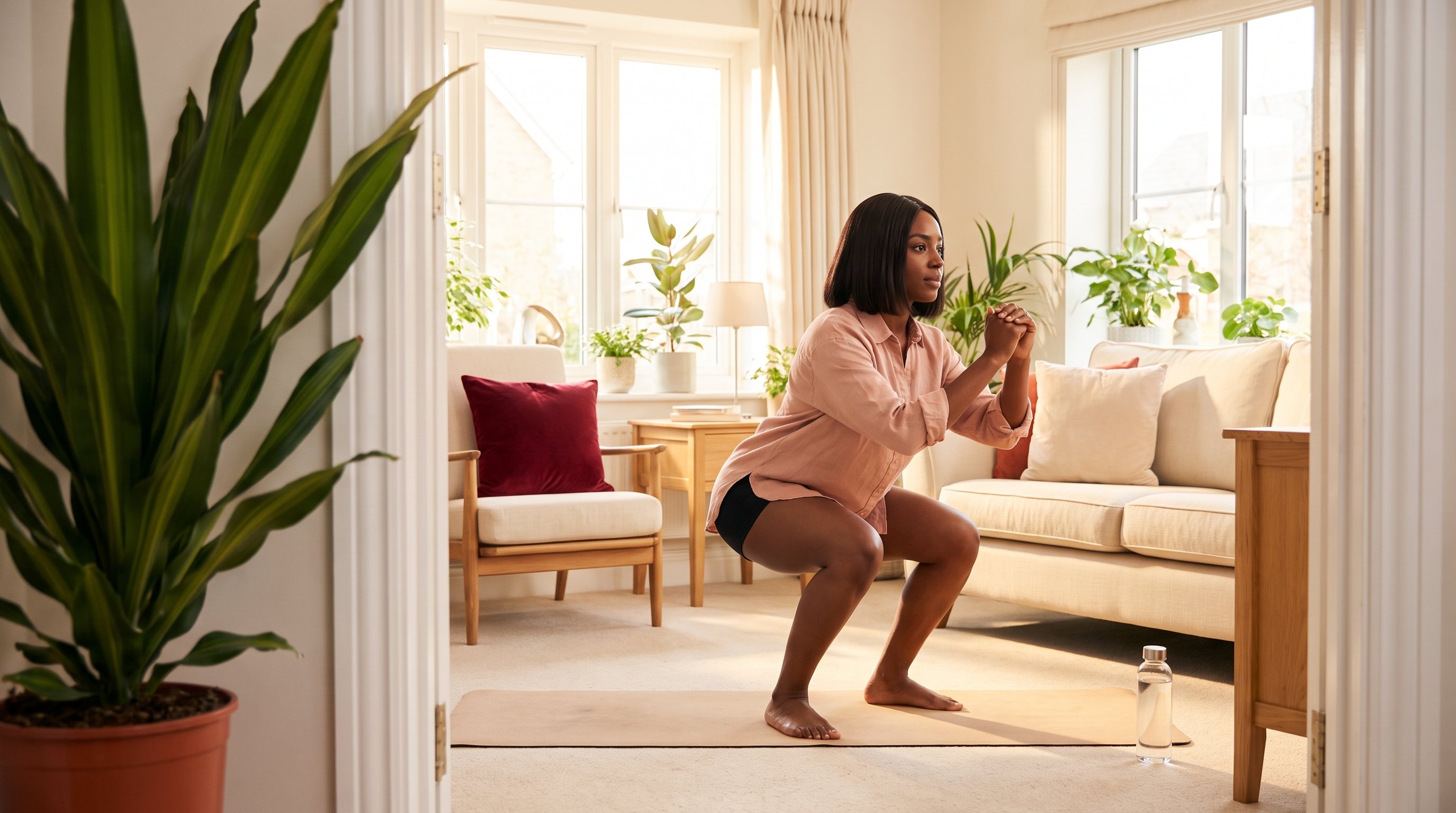
Yes, within reason. Squats, push-ups, lunges and planks all load muscle using bodyweight as resistance, and for someone starting from scratch, bodyweight is plenty of load to work against.
The honest arithmetic: if you currently do zero structured exercise and you add three 20-minute sessions a week, that's 60 minutes of movement you weren't doing before.
Sixty minutes a week sounds small, but across four weeks it's four hours of consistent effort, and consistency is what turns a single workout into a habit that pays off.
Progress does eventually plateau once bodyweight alone stops feeling challenging, at which point adding reps, slowing the tempo, or holding positions longer keeps the effort honest.
Home Workouts Versus Joining a Gym
The real decision most beginners face isn't which exercises to do, it's whether to train at home with no equipment or sign up for a gym membership.
| Factor | Home Workout | Gym Membership |
|---|---|---|
| Cost | Free, no kit needed | Monthly membership fee |
| Time per session | No travel time | Commute both ways |
| Equipment | Bodyweight only | Machines and weights |
| Privacy | Fully private | Shared, public space |
| Barrier to start | Low, start today | Sign-up, travel, schedule |
Neither option is wrong, but for someone who hasn't trained before, lower barriers tend to matter more than extra equipment.
Why Skipping the Gym Commute Keeps Beginners Going
The gym isn't harder because the equipment is better, it's harder because of everything around the workout: packing a bag, driving there, waiting for a machine, driving back.
Every one of those steps is a point where a tired or busy person can talk themselves out of going.
A home routine removes nearly all of that friction. The workout starts the moment you decide to start it, and that's often the difference between doing four sessions this month and doing none.
This isn't an argument that home training beats the gym forever, it's an argument that the easier version is the one you'll actually repeat while you're still building the habit.
Adapting a Beginner Home Workout to Your Situation
If You've Never Exercised Before
Start with fewer reps than you think you need, maybe eight squats instead of twenty, and let the first week be about learning the movements rather than pushing hard.
If Your Schedule Is Packed
Fifteen minutes counts. Three short sessions a week still add up to far more than the zero you'd otherwise do.

If You're Older or Returning After a Break
Use a chair or wall for balance during standing moves, and treat the first two weeks as rebuilding familiarity with movement rather than chasing intensity.
If You've Plateaued on a Previous Attempt
Swap the order of exercises, slow the tempo down, or add a short hold at the bottom of each rep. Small changes are often enough to make a familiar move feel new again.
Making a Home Routine Fit a Normal Week
The plan only works if it survives contact with a real week, one with early meetings, tired evenings, and days that don't go as planned.
Picking the same three slots each week, say Monday, Wednesday and Saturday mornings, removes the daily decision of when to train.
Pairing the workout with something you already track, like water intake or step counts, also helps it stick because it stops being a separate thing to remember.
Cycle Diet keeps workouts, steps, water and weight in one place, which makes it easier to see a short home session as part of the same routine as everything else you're already doing.
The Myth That Home Workouts Target Problem Areas
A common hope is that enough crunches will shrink the stomach, or enough squats will reshape the thighs specifically.
That's not how the body works. Where you lose fat from is determined by genetics and overall patterns, not by which muscle you just worked.
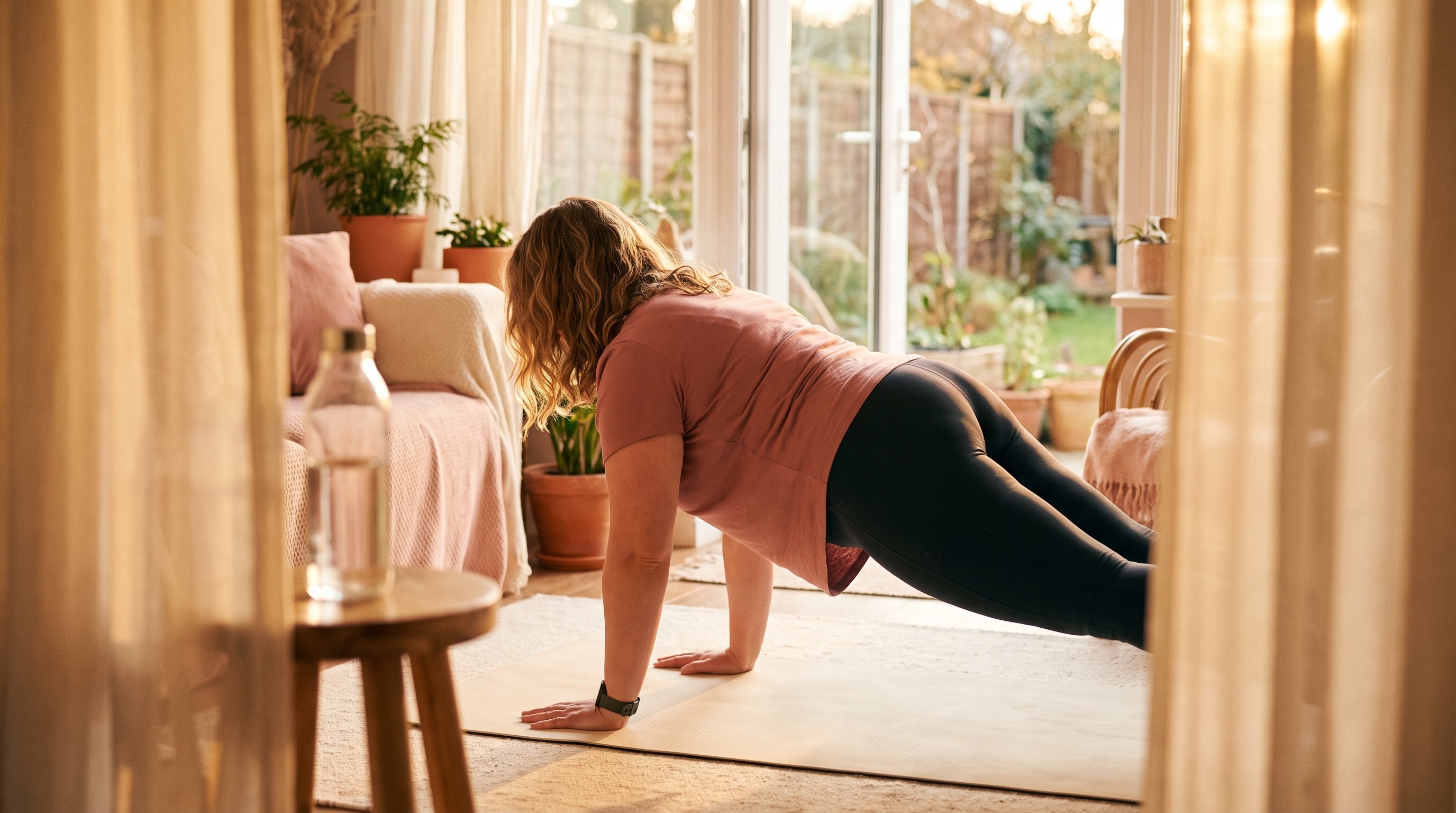
A core exercise strengthens the core. It doesn't reach into one area and remove fat from it, no matter how many reps you do.
The real answer is that consistent full-body movement, alongside how you eat, changes your overall shape over time, and no single exercise gets to pick where that change shows up first.
Building Beginner Home Workouts Into a Daily Cycle Diet Routine
Starting is the easy part. Staying consistent past week two is where most people need a bit of structure rather than more willpower.
Cycle Diet includes over 100 workouts and exercises designed around your cycle, so a beginner home routine can shift in intensity depending on what your body feels ready for that day.
Alongside that, the app's progress tracking and motivating challenges give a reason to show up on the days when motivation alone isn't enough.
Balance Hormones Naturally
Finally Feel In Sync
Starting Your First Beginner Home Workout This Week
Pick three days this week, block out 20 minutes each, and run through a simple set of squats, push-ups and planks without worrying about perfect form on day one.
The goal for week one isn't intensity, it's proof to yourself that the sessions fit into your actual schedule, and Cycle Diet can help keep that proof visible as the weeks add up.
FAQ
It contributes to the overall energy you burn across a week, which matters, but weight change depends more on what you eat overall than on any single workout. Pairing movement with a sensible eating pattern is what makes the arithmetic work in your favour.
No, bodyweight moves like squats, push-ups and planks are enough to start building a routine. Equipment can be added later once bodyweight stops feeling like enough of a challenge.
A corner of a bedroom and fifteen minutes is plenty for a beginner session, since the moves don't need room to move around. Short and consistent beats long and occasional.
Nothing is lost, you just pick the next planned day and carry on as normal. Cycle Diet's tracking is there to show the overall pattern rather than punish one missed session.
Share this post