12-3-30 Workout: How to Fit Incline Walking Into Real Life
By:Author:Cycle Diet Editorial
Updated on:October 28, 2026
- Does Walking at an Incline Really Add Up
- What the Incline and Pace Are Each Doing
- How Many Minutes and How Often to Start
- Incline Walking Versus Chasing a Harder Run
- Making Incline Walking Fit a Normal Week
- The Myth That Incline Walking Targets One Area
- What Actually Moves the Needle Here
- Where the Incline Walking Habit Quietly Falls Apart
- Tracking Your Incline Walks With Cycle Diet
- Starting Your First Incline Walk This Week
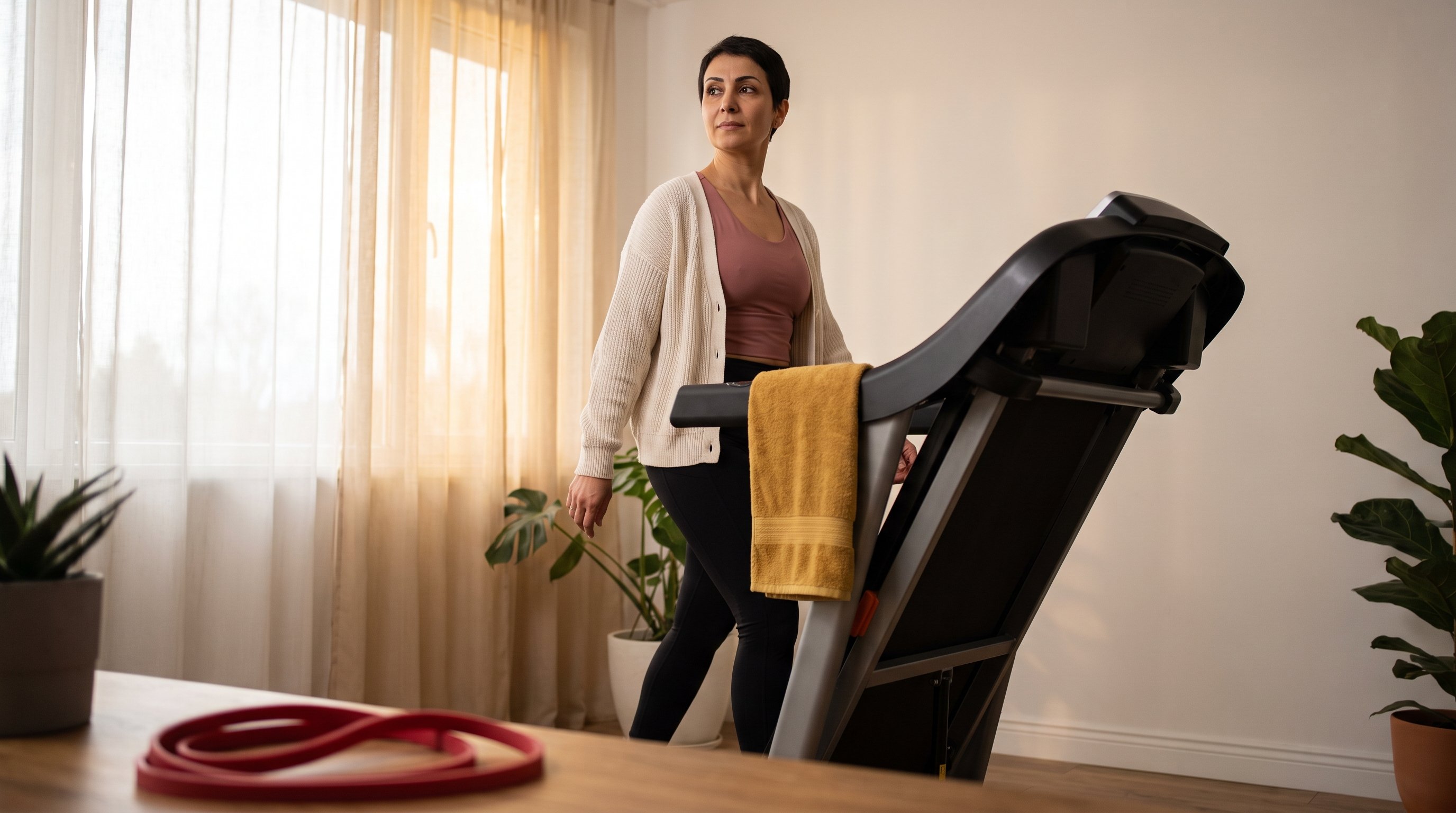
The 12-3-30 workout means walking on a treadmill at an incline, at a steady walking pace, for 30 minutes. That's the whole thing - no sprinting, no equipment beyond a treadmill, no complicated programming.
The incline does the heavy lifting here. Walking uphill asks more of the legs and the heart than flat walking does, so the same 30 minutes burns more effort without needing you to move any faster.
This guide covers whether the format actually does anything, how to build up to the full 30 minutes, how it fits around a normal week, and where people tend to go wrong with it.
Does Walking at an Incline Really Add Up
Yes, in a simple sense - incline walking asks your body to lift its own weight against a slope, which takes more energy than walking on the flat at the same speed.
Think of it as climbing stairs rather than strolling a pavement. Walking at an incline over 30 minutes covers a meaningful amount of vertical climb even though your treadmill speed never changes.
The arithmetic that matters isn't a single number from the workout - it's what you do with the other 23.5 hours of the day. One session, however steep, is one input into a much bigger daily total.
What makes incline walking worth trying isn't a magic formula - it's that it's a fixed, repeatable effort you can do on a treadmill regardless of weather, daylight or terrain.
What the Incline and Pace Are Each Doing
The Incline Raises the Effort
Set a treadmill to an incline and every step works your calves, hamstrings and glutes harder than flat walking would, simply because you're pushing yourself upward with each stride.
The Steady Pace Keeps It Sustainable
A brisk walk, not a jog, means you can hold a conversation and still finish the full 30 minutes without burning out halfway through.
How Many Minutes and How Often to Start
You don't need to start at the full 30 minutes - building the incline and the duration separately makes the habit stick.
A Simple Build-Up Table
Here's one way to work up to the full session over a few weeks, adjusting incline and time rather than changing both at once.

| Stage | Incline | Speed | Duration |
|---|---|---|---|
| Week 1 | 6 percent | Brisk walk | 15 minutes |
| Week 2 | 8 percent | Brisk walk | 20 minutes |
| Week 3 | 10 percent | Brisk walk | 25 minutes |
| Week 4 | 12 percent | Brisk walk | 30 minutes |
Three to four sessions a week is a reasonable target once you reach the full version - enough to make it a habit, with rest days for your legs to recover.
Incline Walking Versus Chasing a Harder Run
Compare incline walking to interval sprinting and the difference isn't the calorie math - it's whether you'll actually show up tomorrow.
Sprint intervals demand more recovery, more mental readiness, and more risk of skipping the session because it sounds exhausting before you've even started.
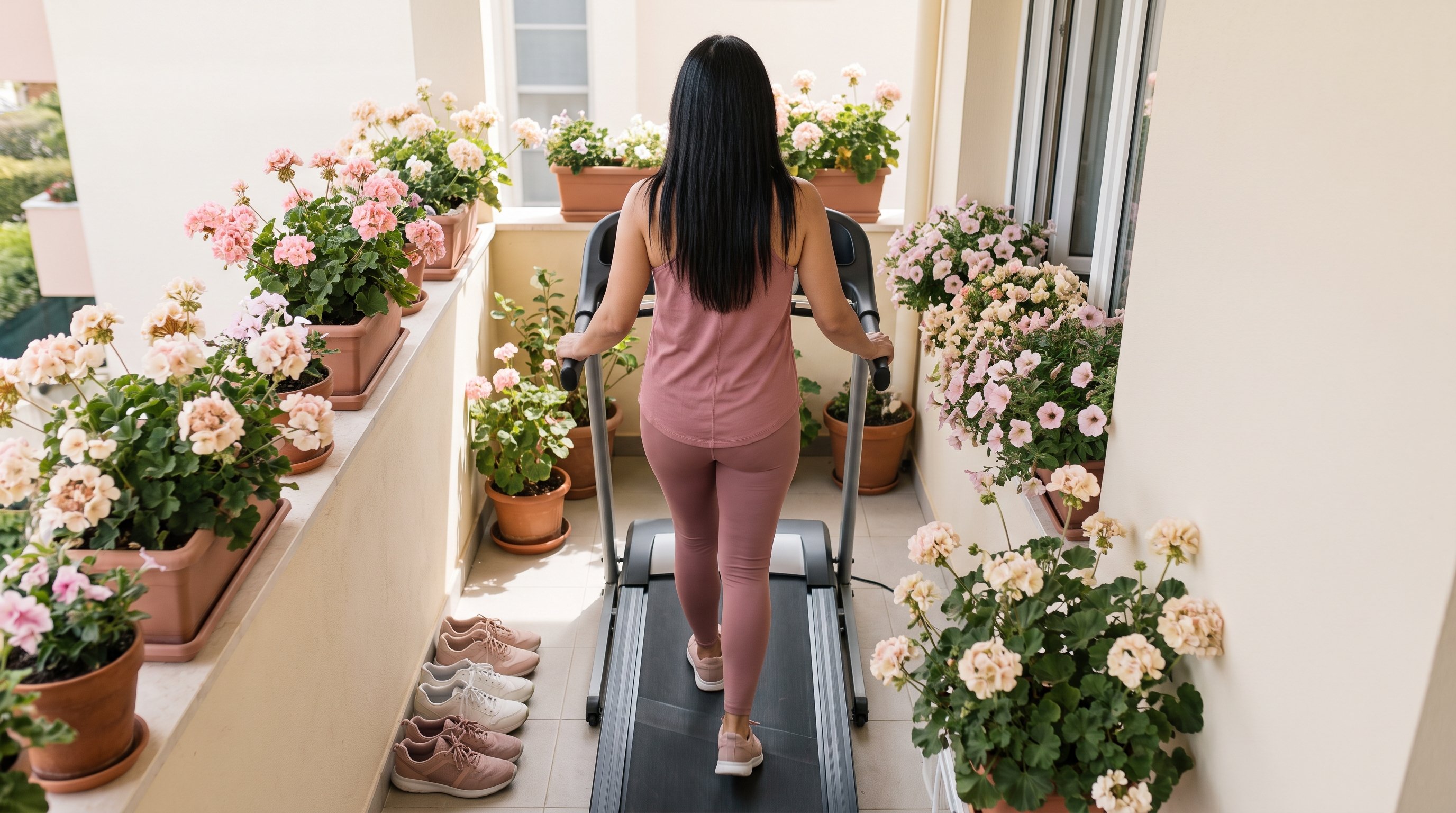
Incline walking asks for none of that. You can do it tired, do it while half-watching something on your phone, and still finish - which is exactly why it gets repeated week after week.
A workout you'll actually repeat beats a harder one you quietly stop doing after two weeks.
Making Incline Walking Fit a Normal Week
The treadmill part is simple - the harder part is finding 30 minutes that doesn't clash with work, meals or everyone else's schedule.
Some people do it before the day starts, others treat it as a reset between work and dinner, and plenty split it - 15 minutes in the morning, 15 in the evening, still adding up to the same session.
Cycle Diet's workout library includes simple exercises you can pair with incline walking days, so the rest of your movement for the week isn't left to guesswork.
Logging the session alongside meals and water in one place also makes it easier to see the walk as part of a bigger pattern rather than an isolated task to tick off.
The Myth That Incline Walking Targets One Area
No single workout, incline or otherwise, reshapes one specific body part - the body doesn't choose where it draws energy from based on which muscles just worked.
That means incline walking won't shape your legs on its own or target anywhere specific, no matter how steep the treadmill goes.
What it actually offers is a sustainable chunk of daily movement, done consistently enough to matter as part of your overall pattern of eating and activity.
That's a smaller promise than a lot of workout trends make, but it's the honest one.
What Actually Moves the Needle Here
Three things shape whether incline walking pays off over time, and they're not all about the treadmill itself.
The Factors That Matter Most
- Consistency across weeks - four sessions a week for a month beats one perfect session followed by a two-week gap.
- What you eat around it - a 30-minute walk doesn't offset a day of eating that outpaces what your body needs.
- Gradual incline increases - raising the slope slowly protects your joints and keeps the habit sustainable instead of something you quit after one sore week.
None of these need to be perfect - they just need to move in the right direction more weeks than not.
Where the Incline Walking Habit Quietly Falls Apart
Jumping Straight to Full Incline
Starting at a steep incline for 30 minutes often means sore muscles and a skipped session the next day - build up the incline over a few weeks instead.
Holding the Handrails the Whole Time
Gripping the rails takes weight off your legs and reduces the effort the incline is supposed to create - let go once you're steady and your balance allows it.
Treating It As the Only Movement All Day
Thirty minutes on a treadmill doesn't cancel out a day spent sitting - pair it with general movement like walking breaks or light stretching elsewhere in your day.
Ignoring What's on Your Plate
A steep incline doesn't change the fact that food choices across the day matter more for a deficit than any single workout - keep an eye on meals too, not just minutes walked.
Tracking Your Incline Walks With Cycle Diet
Once incline walking is part of your week, the thing that keeps it going isn't willpower - it's being able to see it adding up.
Cycle Diet's progress tracking covers step counts, water intake and weight in one place, so your treadmill sessions sit alongside everything else instead of living in a separate app you forget to open.
The meal plans and over 500 recipes mean the eating side of the equation isn't left to chance either, which matters more than the incline number on any given day.
Pairing a repeatable walk with a plan that tracks progress automatically takes the guesswork out of staying consistent.
Balance Hormones Naturally
Finally Feel In Sync
Starting Your First Incline Walk This Week
Pick one day this week, set the treadmill to an incline you can hold for 15 to 20 minutes, and walk at a pace where talking still feels easy.
Build the incline and duration up from there, log it with Cycle Diet alongside your meals, and let the weeks of repetition do the work that any single session can't.
FAQ
It can be part of a routine that supports a deficit, since it adds consistent movement to your week. On its own it's one input among many, and what you eat day to day matters just as much.
They're similar in effort but a treadmill lets you fix the incline and pace exactly, which makes the session repeatable regardless of weather or terrain. Outdoor hill walking works too, it's just less consistent from one day to the next.
Split it - two 15-minute sessions in a day still add up to the same total effort. Starting shorter and building up is a better way in than skipping it altogether.
The walking habit fades the way any habit does once it stops being repeated, which is why pairing it with tracking tends to help. Cycle Diet keeps your walks, water and meals visible together, which makes it easier to notice a gap and get back to it quickly.
Share this post